

Woman with glowing, healthy skin touching her face against a light pink background.
If you’ve been following aesthetic medicine in 2026, you’ve likely seen the same two names dominating conversations about next-level skin regeneration and anti-aging: Ariessence Pure PDGF and exosomes.
Both promise to stimulate your skin’s repair mechanisms, both are cell-free (no live cells), both are used in microneedling, RF microneedling, and post-procedure recovery protocols, and both are being hailed as “the future of aesthetic treatments” by different camps of practitioners.
So which one is actually delivering more consistent, predictable, visible regeneration — especially for the most common goals in med spas right now:
After reviewing clinical usage patterns, practitioner feedback, and patient-reported outcomes across 2026 aesthetic communities, some practitioners and patients have reported more consistent experiences with Ariessence Pure PDGF in certain clinical settings, though individual results vary.
That said, no two patients respond identically. Results vary based on skin type, age, treatment history, and overall health — and nothing here should be read as a guarantee.
So what’s actually driving the difference? The following reflects general practitioner observations and patient feedback — not controlled clinical trial data.
Here’s where practitioners tend to notice meaningful differences in day-to-day clinical use.
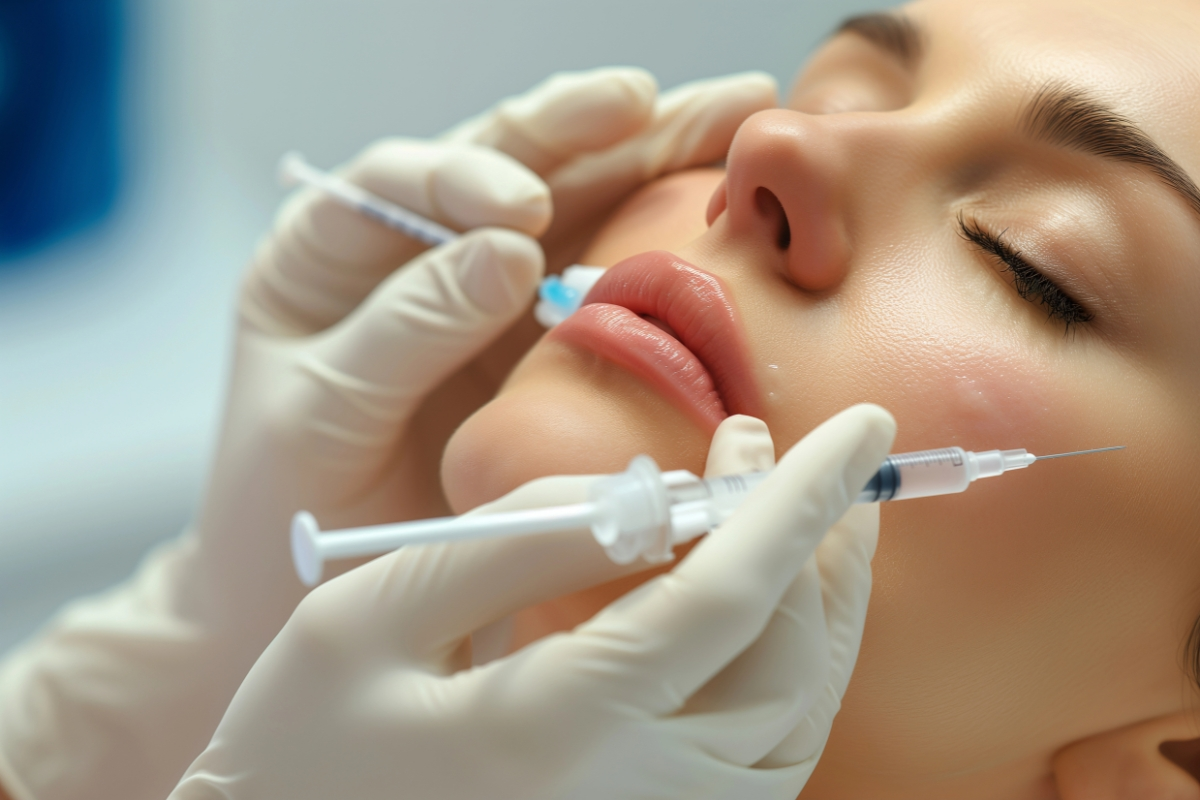
Skincare professional wearing gloves, using syringes during a facial treatment in a clinical setup
When consistency is a priority, some practitioners have reported preferring PDGF-based protocols — though no treatment guarantees uniform outcomes
Category | Ariessence Pure PDGF | Exosomes (MSC-derived) | General Clinical Observations (Individual Results Vary) |
Batch-to-batch consistency | Extremely high (single recombinant protein) | Moderate to low (biologic mixture) | PDGF* |
PDGF* | Predictable collagen stimulation | Variable (depends on exosome cargo) | PDGF* |
Downtime & comfort | Minimal redness, 1–2 days | Mild to moderate redness, 2–5 days | PDGF* |
Risk of inflammation | Very low | Low to moderate (batch-dependent) | PDGF* |
Cost per treatment (2026 avg) | $400–700 | $600–1,200 | PDGF* (better value) |
Shelf life & stability | Room temperature, long shelf life | Refrigerated/frozen, short shelf life | PDGF* |
Regulatory clarity | FDA-registered as a device component | Varies by source (often unregulated) | PDGF* |
Patient satisfaction (real-world feedback) | High — “results I can count on” | Mixed — “sometimes amazing, sometimes nothing” | PDGF* |
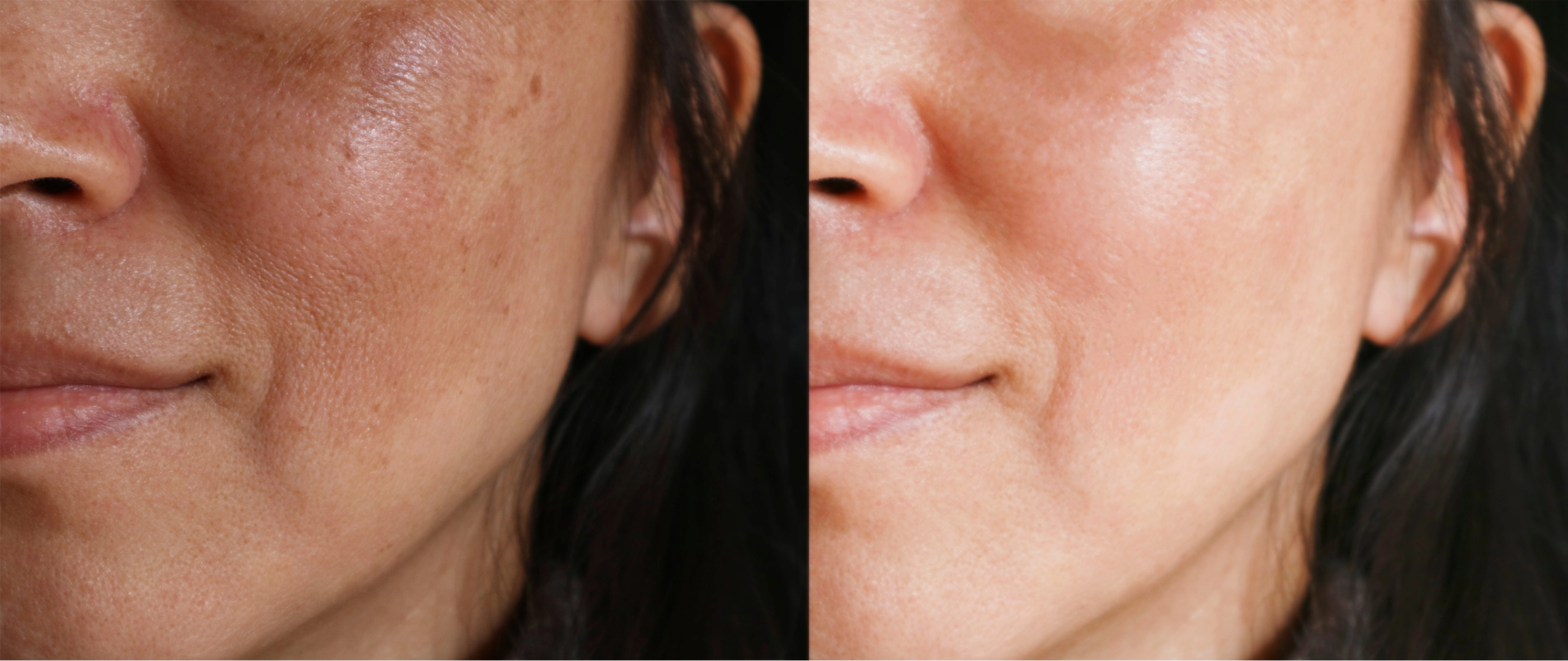
Side-by-side close-up comparison of skin texture showing visible changes after treatment.
[Before & After Client Images Can Be Added Here]
Important Notice: Individual results vary and are not guaranteed.
Individual responses vary based on skin type, age, health history, treatment intensity, and aftercare. This timeline reflects experiences some clients have reported and is not a guarantee of outcome. Consult with your provider for expectations specific to your skin profile.
Days 1–3 Some clients experience mild redness, warmth, or sensitivity — a common response to this type of treatment. Skin may feel more hydrated than usual. The degree and duration of any initial response varies individually.
Days 4–10 Initial skin response begins to settle for many clients during this period, though timing varies. Some people report early improvements in brightness or texture; others notice more gradual changes.
Weeks 2–4 Some clients begin to notice gradual changes in skin texture or appearance. Fine lines may appear softer and skin may feel somewhat firmer for some individuals, though changes are subtle and vary considerably.
Months 2–3 For some clients who have completed a planned series of sessions, cumulative improvements in tone, texture, or firmness may become more noticeable — though results vary significantly from person to person and are not guaranteed.
Months 3–6 Some clients who maintain consistent aftercare and attend follow-up sessions as recommended report sustained improvements in skin feel and appearance. Individual results vary.
Year 2 and Beyond Some clients report continued satisfaction with long-term maintenance protocols, though long-term outcomes depend on many lifestyle, health, and environmental factors and cannot be guaranteed.
Every PDGF-boosted treatment starts with:
From there:
[Lead Practitioner’s Name] always prioritizes natural expression and proportion — never over-treating.
Note: A personalized consultation with your provider is recommended before beginning any treatment protocol.

Skincare specialist reviewing skin analysis results with a patient post treatment
In the evolving world of regenerative aesthetics, both Ariessence Pure PDGF (platelet-derived growth factor) and exosomes are powerful tools for stimulating collagen, improving skin quality, and enhancing healing. However, Ariessence PDGF may offer advantages in consistency and predictability for certain patients, based on clinical observations — though individual responses will differ. At [Insert Business Name], we choose Ariessence PDGF when patients seek dependable, high-performance skin rejuvenation—especially for post-GLP-1 restoration, anti-aging, texture improvement, and scar revision.
Ariessence PDGF is a highly purified, standardized recombinant human PDGF formulation with precise dosing and batch-to-batch reliability. Unlike exosomes—which vary significantly in source (stem cell type, donor, isolation method), concentration, cargo content, and potency—Ariessence may provide more consistent growth factor signaling. Many patients report more uniform results with less variability from session to session, though individual responses may vary.
PDGF is a master regulator of wound healing and tissue repair, directly stimulating fibroblasts to produce collagen, elastin, and extracellular matrix while promoting angiogenesis and cell proliferation. Exosomes deliver a broader, less specific cargo (miRNAs, proteins, lipids), which can lead to unpredictable or diluted effects. Ariessence PDGF may provide more focused regeneration that could help support skin structure, potentially improving dermal thickness and firmness over time—ideal for addressing volume loss, crepiness, and laxity after rapid weight loss.

Woman examining her skin in a mirror with both hands gently touching her cheeks.
Clinical observations and patient feedback show Ariessence PDGF may often produce visible tightening in some patients, a smoother texture, and an enhanced glow earlier than exosome treatments. Because Ariessence PDGF may activate key repair pathways more directly, some patients report results appearing sooner, though timelines vary meaningfully from person to person.
Ariessence PDGF is manufactured under strict pharmaceutical standards as a recombinant protein, with a favorable safety profile in published medical applications, though all treatments carry risk and individual responses vary. We always recommend consulting your provider before beginning any new treatment. Exosomes, while promising, remain in a more experimental phase with greater variability in purity, sterility, and long-term data. For patients seeking peace of mind, Ariessence offers a clearer, more controlled regenerative pathway.
When combined with AI-guided analysis, fillers, RF microneedling, or biostimulators, Ariessence PDGF integrates seamlessly into layered protocols. Its predictable response allows [Lead Practitioner’s Name] to fine-tune treatments for your exact skin needs—whether rebuilding post-GLP-1 volume, refining texture, or boosting overall resilience—delivering harmonious, natural-looking outcomes.
Ariessence PDGF may deliver more consistent incremental improvements in some clinical observations — individual results vary and are not guaranteed. This translates to better value, sustained results, and less need for corrective treatments.
While exosomes hold exciting potential, Ariessence Pure PDGF may offer more consistent and dependable regenerative benefits for many patients in clinical aesthetic practice, though individual responses vary. It’s the go-to for patients who want predictable collagen rebuilding, improved skin quality, and lasting rejuvenation—especially in the context of post-weight-loss facial restoration or proactive anti-aging.
The following are individual patient experiences. Results are not typical and will vary. These testimonials do not constitute a guarantee of outcome.
“The PDGF-boosted treatment at [Insert Business Name] gave me the consistent glow I’d been missing — my skin looks healthier every month.”
— Emily S.
“[Lead Practitioner’s Name] used PDGF and the results were so reliable — texture smoother, skin firmer, no surprises.”
— James R.
“I finally have skin that looks good even on days I do nothing special — PDGF made the difference.”
— Sophia M.
To achieve the best possible outcomes with Ariessence Pure PDGF treatments, it’s important to set realistic expectations and follow the recommended protocol. Here are some key points to keep in mind:
By understanding these differences and committing to the full recommended plan, you can maximize the regenerative benefits of Ariessence PDGF for smoother, firmer, and more resilient skin. [Lead Practitioner’s Name] will guide you through realistic expectations, proper dosing, and a personalized maintenance schedule tailored to your skin’s response.
Lead Aesthetic Practitioner at [Insert Business Name]
With over 15 years of specialization in regenerative aesthetics, [Lead Practitioner’s Name] is known for delivering consistent, natural results using PDGF and other advanced boosters. Clients value her precise, empathetic approach that makes regeneration feel reliable and empowering.
A: PDGF is a single, highly purified growth factor with extremely consistent potency batch to batch. Exosomes are a complex mixture with more variability. PDGF tends to deliver more predictable regeneration results in clinical practice, though individual results may vary.
A: Ariessence Pure PDGF is bio-engineered, lab-produced, and manufactured under strict GMP standards. It has been generally well-tolerated in clinical use, though all aesthetic treatments carry risk, and individual responses vary. Your provider can help determine if it’s appropriate for you.
A: Early hydration and healing improvements in 1–2 weeks. Texture and firmness build progressively over 2–6 months as new collagen forms. Individual results will vary.
A: Some patients report collagen stimulation benefits persisting for extended periods; duration varies significantly by individual and has not been established in independent clinical studies. Maintenance sessions every 6–12 months preserve and build on gains.
A: Yes — Ariessence PDGF is commonly layered with RF microneedling, HydraFacial, LED, or light peels for enhanced texture, firmness, and glow.
The information in this blog is for educational purposes only and does not constitute medical advice, diagnosis, or treatment recommendations. All comparisons between Ariessence Pure PDGF and exosome products reflect general clinical observations and practitioner feedback — they are not based on independently verified clinical trial data, and individual product performance may vary based on formulation, application technique, and patient factors.Results vary significantly by individual and are not guaranteed. [Insert Business Name] does not guarantee any specific outcomes from the treatments described.
✨ Ready for Consistent, Natural Regeneration in 2026?
Book your PDGF-boosted consultation today.
[Insert Phone Number]
[Insert Website URL]
April slots filling fast — secure yours now!
Related Services
Ariessence PDGF vs Exosomes: The Clear Winner for Consistent Regeneration | [Insert Business Name]
Compare Ariessence Pure PDGF and exosomes for skin regeneration — discover why PDGF is winning for consistent, predictable results in 2026.
Ariessence PDGF vs exosomes, consistent skin regeneration, PDGF skin boosters 2026
og:title: Ariessence PDGF vs Exosomes: The Clear Winner for Consistent Regeneration og:description: See why PDGF is emerging as the more reliable choice for predictable skin renewal and glow.

Side profile of man with defined jawline and chin, illustrating masculine facial proportions.
Take a look at any Hollywood leading man, professional athlete, or model, and you’ll notice something they all have in common: a strong, well-defined jawline and chin. These features have long been associated with masculinity, confidence, and attractiveness—and for good reason. Facial structure plays a huge role in how we’re perceived, whether we like it or not.
But here’s what many guys don’t realize: not everyone is born with naturally strong facial contours. Genetics, aging, weight fluctuations, and bone structure all play roles in determining your jawline definition and chin projection. Some men have naturally recessed chins, weak jawlines, or facial proportions that don’t quite match the strong, angular look they’re going for.
The good news? You’re not stuck with what genetics gave you. Facial contouring treatments have evolved significantly, offering men realistic options for enhancing jawline definition and chin projection without surgery. Let’s dive into what’s actually available, how these treatments work, and what you need to know if you’re thinking about enhancing your facial structure.
Before we talk about treatments, it’s important to understand what actually creates a masculine-looking face. It’s not just about having a “strong jaw”—it’s about proportions, angles, and how different facial features work together.
Masculine facial characteristics typically include:
What many people don’t realize is that even small changes in these areas can significantly impact overall facial appearance and perceived masculinity. A chin that projects just a few millimeters more can dramatically improve profile balance. A sharper jaw angle can create the appearance of a stronger, more defined lower face.
The goal of masculine facial contouring isn’t to create an exaggerated or unnatural look—it’s to enhance and refine your natural bone structure in ways that appear balanced and proportional to your other features.
At [PRACTICE NAME], we specialize in understanding masculine aesthetics and creating natural-looking enhancements that strengthen rather than feminize or artificially alter your appearance.
A qualified provider can assess your individual facial structure and help determine which approach, if any, is appropriate for your goals.
Let’s break down the main approaches available for improving jawline definition without going under the knife.
This has become one of the most popular treatments for men seeking to enhance their jawline. Injectable dermal fillers—typically made from hyaluronic acid or other biocompatible materials—can add volume, improve contours, and create more definition along the jaw.
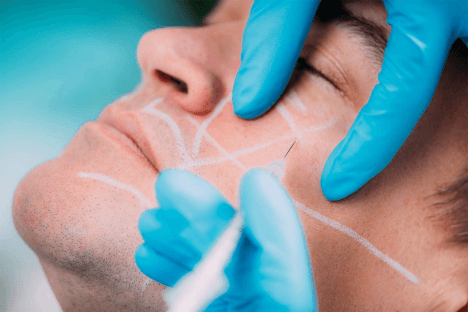
Male patient receiving facial filler injections with pre-treatment contouring lines marked on skin.
How It Works: A skilled provider strategically injects filler along specific points of the jawline to create a sharper, more angular appearance. This might include the jaw angle (where your jaw turns the corner beneath your ears), along the mandibular border (the bottom edge of your jaw), or even slightly into the masseter muscle area to create more width.
The key is placing products in ways that enhance masculine features—creating straight lines, sharp angles, and defined edges rather than soft, rounded contours. This requires a provider who understands male facial anatomy and aesthetic goals.
What to Expect: The procedure typically takes 30-60 minutes, depending on how much area is being treated. Most providers use a topical numbing cream, and many fillers contain lidocaine for comfort during injection. You’ll feel pressure and some discomfort, but most men find it tolerable.
Swelling and bruising are common and can last several days to a week. Some improvement may be visible shortly after treatment in some patients, though final results typically appear once swelling fully subsides — individual experiences vary. Depending on the type of filler used, effects typically last 12-18 months. Some newer fillers designed for deeper structures may last even longer.
Individual results vary based on many factors, including your starting anatomy, the amount of filler used, the specific product chosen, and how your body metabolizes the material.
As with all injectable treatments, risks exist and should be discussed with a qualified provider.
A weak or recessed chin can throw off your entire facial balance, making your nose appear larger, your neck less defined, or your profile appear weak. Chin augmentation with fillers can address this non-surgically.
How It Works: Filler is injected into the chin to add forward projection, increase vertical length, or improve the shape of the chin point. The goal is typically to create better facial proportions—bringing the chin into better alignment with the forehead and nose when viewed from the side.
For men, providers often focus on creating a more square, masculine chin shape rather than a pointed or rounded appearance. Strategic placement can also help define the mental crease (the horizontal line below your lower lip) and improve the transition between chin and neck.
In many patients, results may become visible within days of treatment and can last 12-18 months, though individual outcomes vary significantly. Some men choose to start conservatively and add more product in follow-up sessions to gradually achieve their ideal result.
Consult with your provider to determine if this treatment is right for you and to discuss what type of chin enhancement would best complement your other facial features.
Here’s an interesting approach that works differently: for men with overly prominent or bulky masseter muscles (the muscles you use for chewing), neurotoxin injections can create a slimmer, more defined jawline by relaxing these muscles.
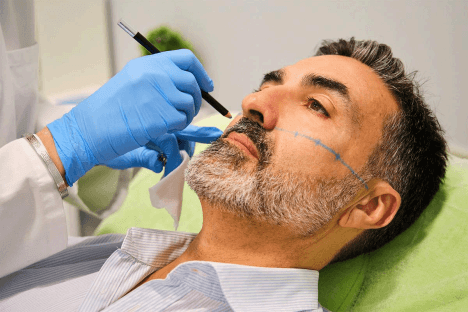
Provider marking jawline treatment areas on a male patient during pre-procedure facial contouring consultation.
How It Works: When injected into the masseter muscles, neurotoxins (such as Botox®, Dysport®, or similar FDA-approved products) temporarily relax them, which over time may lead to slight reduction in muscle bulk in some patients. This creates a more tapered, defined lower face rather than a square, bulky appearance.
This treatment is primarily for men who have naturally large masseter muscles or who clench/grind their teeth (bruxism), which can overdevelop these muscles. It’s not appropriate for everyone—if you already have a weak or undefined jawline, this approach won’t help. Also worth mentioning is that it is not a treatment for bruxism; only a qualified dental professional can help you with that.
Results develop gradually over 4-8 weeks and typically last 4-6 months, at which point maintenance treatments are needed if you want to sustain the slimming effect. Individual results may vary.
At [PRACTICE NAME] we carefully assess whether jawline slimming or enhancement with fillers is more appropriate for you based on your individual facial structure and goals.
Let’s be honest about what these treatments can and cannot achieve. Setting realistic expectations is crucial for satisfaction with your results.
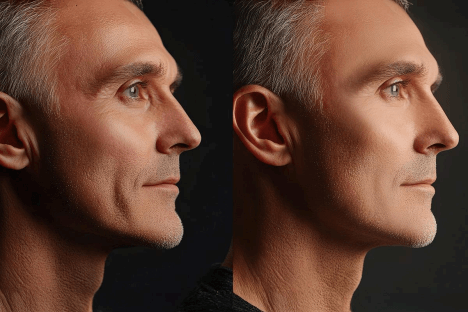
Side-by-side profile comparison showing facial contouring results in a male patient. Individual results vary.
[Before & After Client Images Can Be Added Here]
Important Notice: Individual results vary and are not guaranteed.
Subtle Enhancement, Not Complete Transformation: Fillers can create noticeable improvements in definition, projection, and facial balance, but they won’t fundamentally restructure your bone anatomy. You’ll look like an enhanced version of yourself, not a different person.
Works Best for Specific Concerns: These treatments are ideal for addressing mild to moderate concerns—a slightly recessed chin, softening jawline definition due to aging, or adding sharpness to a naturally rounded jaw. If you have severe bone deficiency or significant structural concerns, surgical options like chin implants or jaw surgery may be more appropriate.
Requires Maintenance: Unlike surgical implants, which are permanent (until removed), fillers are temporary. You’ll need repeated treatments every 12-18 months (or sometimes longer) to maintain your results. This is both an advantage (you can adjust as needed) and a consideration (ongoing cost and commitment).
Swelling Can Obscure Immediate Results: While you’ll see some immediate change, swelling in the first few days can make it difficult to judge your final outcome. Most providers schedule a follow-up appointment 2-4 weeks after treatment to assess results and determine if any adjustments are needed.
Technique Matters Enormously: The same amount of the same filler can look dramatically different depending on who’s injecting it and how they’re placing it. Finding a provider who specializes in male aesthetics and understands masculine facial proportions is critical.
Results vary based on many factors, including your starting anatomy, skin thickness, bone structure, age, and the specific techniques and products your provider uses.
When performed skillfully by experienced providers, jawline and chin enhancement may offer several advantages:
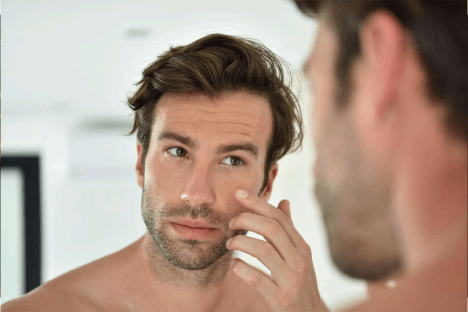
Man examining his facial structure in the bathroom mirror, considering jawline and chin enhancement options.
It’s important to understand that individual results vary, and what works beautifully for one person may not be the best approach for another based on differences in facial anatomy and aesthetic goals.
While non-surgical facial contouring is generally well-tolerated when performed by qualified providers, you need to be aware of potential complications and considerations.
Common Temporary Side Effects:
Less Common but Serious Risks:
Choosing Your Provider Matters: This cannot be overstated. The jawline and chin area contain important blood vessels and nerves. An inexperienced injector can cause serious complications. You want someone with extensive experience in facial anatomy, masculine aesthetics, and managing potential complications.
Cost Considerations: Depending on how much product is needed and your geographic location, jawline and chin enhancement can range from several hundred to several thousand dollars per treatment session. And remember—this is an ongoing investment since results are temporary.
Pricing is illustrative only and subject to change. Your provider will discuss specific costs during consultation.
All treatments carry potential risks and side effects that should be discussed thoroughly with your provider before proceeding.
Our team at [PRACTICE NAME] in [LOCATION] prioritizes safety and natural-looking results, using only FDA-approved products and following best practices for injection techniques in these anatomically sensitive areas.
Schedule a consultation with a qualified provider who can properly evaluate your facial structure, discuss your aesthetic goals, and help you understand whether non-surgical enhancement is appropriate or if surgical options would be better for your desired outcome.
Q: Will jawline filler look natural or obvious?
A: When performed by a skilled provider who understands masculine aesthetics, jawline enhancement can look natural in most cases—like you have good bone structure, not like you’ve “had work done.” The key is conservative placement and appropriate product selection.
Q: How much filler will I need?
A: This varies significantly based on your starting anatomy and goals. Chin enhancement might require 1-3 syringes, while comprehensive jawline contouring could require 2-6 syringes or more. Your provider can give you a specific estimate during consultation.
Q: Is there any downtime?
A: Most men experience some swelling and possibly bruising for several days to a week. While you can return to work immediately, you might prefer to schedule treatments before the weekend if you’re concerned about visible swelling, as healing times vary from person to person.
Q: Can filler be removed if I don’t like the results?
A: Hyaluronic acid fillers can be dissolved using an enzyme called hyaluronidase. Other types of fillers cannot be as easily reversed, which is why many providers prefer HA fillers for facial contouring.
If you’re considering jawline or chin enhancement, Contact [PRACTICE NAME] to learn more about masculine facial contouring options and to schedule a consultation. We’ll assess your facial structure, discuss which treatments might be most appropriate for your goals, and provide transparent information about what’s realistically achievable for your unique anatomy.
Individual results vary, and success depends on choosing appropriate treatments, working with skilled practitioners, and having realistic expectations about what can be achieved non-surgically.
Medical Disclaimer: This blog is for informational purposes only and does not constitute medical advice. Individual results may vary. Consult with a qualified healthcare provider to determine if this treatment is appropriate for your specific needs and medical history. All treatments carry potential risks and side effects.

Woman with smooth skin smiling contentedly, representing confidence after aesthetic treatment.
Have you noticed how conversations about neuromodulators have shifted over the past few years? It’s no longer just about softening established wrinkles or addressing lines that have been present for years. Increasingly, people in their late twenties and early thirties are asking about preventative treatments—strategic, minimal interventions designed to potentially delay the formation of deep expression lines before they become etched into the skin.
That’s micro-dosing — sometimes called “baby Botox” or preventative neurotoxin treatment. Rather than using standard doses to significantly reduce muscle movement, this approach works with smaller amounts of products like Botox, Dysport, Xeomin, or Jeuveau to gently soften muscle activity while still allowing natural expression. The thinking behind it is fairly straightforward: by addressing subtle movement patterns early, some individuals may experience a reduction in the intensity of repeated contractions — though outcomes vary and are not guaranteed. That said, how well this works — and whether starting early makes a meaningful difference — varies considerably from person to person, and no outcome is guaranteed.
Let’s explore what micro-dosing actually involves, what the evidence suggests, and how to think through whether this approach aligns with your goals.
Traditional neuromodulator treatments typically use standard doses designed to potentially reduce muscle movement in treated areas. For forehead lines, that might be 20 units of Botox (or equivalent doses of other neuromodulators). For frown lines between the brows, perhaps 20-25 units. These doses are based on clinical studies and aim to create noticeable smoothening of expression lines.
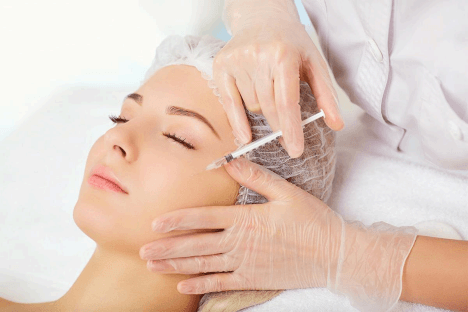
Licensed provider administering a facial neurotoxin injection to a client in a clinical setting.
Micro-dosing, by contrast, uses smaller amounts—sometimes 30-50% less than traditional doses—strategically placed to soften rather than fully relax muscles. The goal isn’t to eliminate all movement or create that “frozen” look some people worry about. Instead, it aims to reduce the intensity of muscle contractions that contribute to line formation over time.
At [PRACTICE NAME], we often see younger clients curious about preventative treatments but uncertain about how much is appropriate or whether they’re “too young” to start. There’s no universal right answer—it depends entirely on your individual circumstances, concerns, and what you’re hoping to achieve.
So what’s the thinking behind starting neuromodulator treatments before significant lines have formed? Let’s look at the logic and what current evidence suggests.
The Theoretical Foundation
Dynamic wrinkles—those that appear with facial expressions like frowning, squinting, or raising your eyebrows—form because of repeated muscle contractions. Over time, these repeated movements can cause the overlying skin to develop permanent creases, even when your face is at rest. These are called static wrinkles.

Woman frowning, visibly showing dynamic forehead and brow muscle movement that may contribute to line formation over time.
The preventive theory suggests that by reducing the intensity of these muscle contractions early, you might be able to slow their development.
What Research Suggests
Some studies have looked at whether early, consistent neuromodulator use affects long-term wrinkle development. Some small studies suggest individuals who begin treatment before deep lines form may develop less pronounced static wrinkles over time, though these findings are preliminary and results vary significantly by individual. However, these studies typically involve small sample sizes, short follow-up periods, or methodological limitations.
Individual results vary based on many factors, and we need more long-term, well-designed studies to fully understand the preventive benefits of early neuromodulator use.
The Age Question
There’s no magic age when preventive treatments become appropriate. Some people develop noticeable expression lines in their mid-twenties due to genetics, expressive faces, or sun exposure. Others don’t see significant lines until their forties or beyond.
Our team at [PRACTICE NAME] in [LOCATION] approaches preventive treatments conservatively, starting with minimal doses and adjusting based on your response and goals rather than following one-size-fits-all protocols.
Individual results may vary.
If you’re unsure whether you’re at a stage where preventive treatment makes sense, a consultation with a qualified provider at [PRACTICE NAME] is the best way to get guidance tailored to your specific facial anatomy, skin type, and long-term goals.
Wondering what actually happens during a micro-dosing session? Let’s walk through the process so you know what you’re signing up for.
Initial Consultation
Your provider will start with examining your facial anatomy, watching how your muscles move during different expressions, discussing which areas concern you, and reviewing your medical history. Not everyone is a suitable candidate—certain medical conditions, medications, or circumstances may mean neuromodulators aren’t appropriate right now. Consult with your provider to determine if this treatment is right for you based on your individual circumstances.
For younger clients considering preventative treatments, this consultation is especially important. Your provider should help you identify whether you actually have dynamic lines forming and whether starting treatment now makes sense given your specific situation.
Treatment Day
The actual injection process is quite quick—typically 10-15 minutes for facial areas. Most providers don’t use numbing for neuromodulator injections since the needles are very fine and discomfort is generally minimal. You’ll feel small pinches as the product is injected into specific muscles.
With micro-dosing, your provider will use smaller amounts than traditional protocols, carefully placed in the muscles that contribute the most to line formation. Individual results may vary.
Immediately After
You might have small bumps at injection sites that resolve within minutes to an hour. Some people develop minor bruising, though this is less common with experienced injectors. You can typically return to normal activities immediately, though most providers recommend avoiding lying down for a few hours, skipping intense exercise for the rest of the day, and not rubbing the treated areas.
Results Timeline
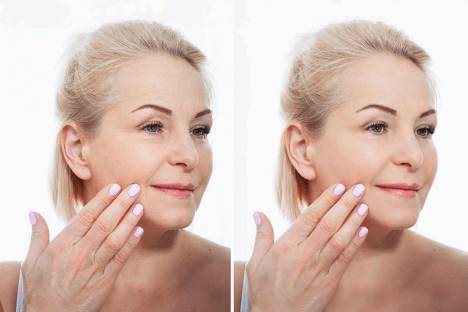
Side-by-side photos of a woman’s face showing skin appearance before and after cosmetic treatment.
[Before & After Client Images Can Be Added Here]
Important Notice: Results may vary and are not guaranteed.
Neuromodulators don’t work instantly. You’ll typically start noticing effects within 3-5 days, with full results apparent by 10-14 days. With micro-dosing, the changes are often quite subtle—you might notice you can still move the treated muscles, but the movements feel slightly less intense, or the lines that appear with expression seem softer.
Results from micro-dosing may last a similar duration to standard dosing (3-4 months typically), though some people find that smaller doses wear off slightly sooner. Individual results vary based on many factors, including your metabolism, muscle mass, and activity patterns.
Schedule a consultation at [PRACTICE NAME]to discuss what the micro-dosing process would look like for your specific situation and to address any concerns you might have.
Let’s discuss what preventive micro-dosing may potentially offer, keeping expectations realistic and grounded. Remember, these are possible benefits—not guaranteed outcomes. Results vary based on many factors.
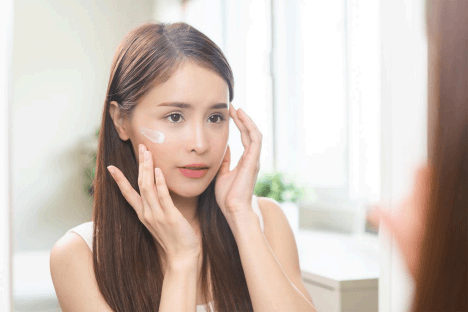
Young woman examining her skin in a mirror, considering early preventive skincare options.
May Help Slow the Development of Static Lines
By potentially reducing the intensity of repeated muscle contractions, micro-dosing may, in some individuals, help soften the appearance of dynamic lines — though whether this delays static line formation over time is not guaranteed and varies significantly by individual. This is the primary theoretical benefit driving preventive use.
Can Provide Subtle Softening Without Frozen Appearance
Smaller doses typically allow for more natural movement and expression while still potentially softening the appearance of lines that form with facial movements. Many younger clients appreciate maintaining animation while addressing early concerns.
Often Allows for Gradual Introduction to Treatment
Starting with conservative doses lets you experience how neuromodulators feel, how your face responds, and whether you’re comfortable with the subtle changes before committing to more intensive treatments. You can always increase amounts in future sessions if desired.
May Potentially Reduce Long-Term Treatment Needs — Though This Is Not Guaranteed
The preventive theory suggests that by addressing muscle patterns early, you might potentially need less intensive intervention later. However, this remains theoretical and would require decades of consistent treatment and comparison data to truly validate.
Can Be Adjusted Based on Response
Micro-dosing protocols can be refined over multiple sessions, gradually identifying the minimal effective dose for your specific anatomy and goals. This personalized approach may help optimize outcomes while using the least amount of product necessary.
It’s crucial to understand that individual results vary significantly, and starting younger doesn’t guarantee you’ll age more slowly than someone who starts later or never uses neuromodulators. All treatments carry potential risks and side effects.
No discussion of preventive treatments would be complete without addressing important considerations and potential downsides.
The Cost-Benefit Analysis
If you start preventative treatments at 28 and continue for decades, you’re looking at treatments every 3-4 months for potentially 30+ years. Even with smaller doses potentially costing less per session, that’s a significant long-term investment. Whether preventing lines that might develop anyway justifies this cost is a personal decision that only you can make.
The Unknown Long-Term Picture
We don’t have decades of data on people who started consistent neuromodulator treatments in their twenties or early thirties. While short-term safety is well-established, questions about extremely long-term effects of starting early and continuing indefinitely remain partially unanswered.
Starting Too Early
Some providers worry about normalizing aesthetic interventions for people in their early-to-mid twenties who may not have any actual concerns yet. There must be a balance between thoughtful prevention and creating anxiety about natural facial movement and expression.
Common Temporary Side Effects
Even with smaller doses, typical side effects such as temporary bruising, mild headache, and slight asymmetry may occur as the product takes effect unevenly. Patients may also notice eyelid or brow drooping if the product migrates (rare but more common with inexperienced injectors).
In rare cases, more serious side effects such as difficulty swallowing, speaking, or breathing have been reported following neurotoxin injections — typically when the product spreads beyond the injection site. These events are uncommon at the doses used for facial aesthetics but are important to be aware of. Contact your provider or seek medical attention immediately if you experience any unusual symptoms after treatment.
Who Should Avoid or Delay Treatment
You should not have neuromodulator treatments if you’re pregnant or nursing, have certain neuromuscular disorders, are allergic to any ingredients, have active infections at injection sites, or are taking specific medications that interact with neuromodulators.
At [PRACTICE NAME], we believe in honest conversations about whether starting preventative treatments makes sense for your individual situation, or whether excellent skincare, sun protection, and lifestyle habits might be more appropriate focuses at this stage of your life.
All treatments carry potential risks, and thorough consultation ensures you understand these in the context of your specific health history and goals.
A: There’s no universal right age—it depends on your individual genetics, facial movement patterns, sun exposure history, and when you start noticing dynamic lines that concern you. Some people have significant expression lines in their twenties; others don’t see them until much later. The question isn’t “how old am I?” but rather “am I seeing changes I want to address proactively?”
A: Neuromodulators don’t create dependency in a physiological sense—your muscles won’t become “weaker” or “need” the treatment. However, if you stop after years of consistent use, lines may develop over time as they would have without treatment (possibly less deeply if prevention worked, but this isn’t guaranteed). Whether to continue indefinitely is always your choice.
A: Costs vary based on geographic location, provider experience, and the specific amounts used. Because micro-dosing uses less product, per-session costs might be lower than
traditional treatments. You can contact our team at [PRACTICE NAME] for a personalized quote.
A: That’s the goal. Micro-dosing aims to soften muscle contractions while preserving natural movement and expression. You should still be able to raise your eyebrows, frown, and show emotion—just with slightly less intense muscle activity. If you feel “frozen,” the dose may be too high for a preventive approach.
A: Using less product generally means less chance of unwanted effects like brow droop or excessive paralysis. However, “safer” doesn’t mean “risk-free”—all neuromodulator treatments carry potential side effects regardless of dose. The safety profile of the products themselves doesn’t change with dose size; you’re just using less of a well-studied product.
Contact [PRACTICE NAME] to learn more about our approach to preventive treatments and to schedule a consultation. We’re committed to honest, pressure-free conversations prioritizing your wellbeing.
Remember: individual results vary based on many factors, and what works for someone else might not be right for you. The right choice is whatever aligns with your aesthetic goals and comfort level.
Medical Disclaimer: This blog is for informational purposes only and does not constitute medical advice. Individual results may vary. Consult with a qualified healthcare provider to determine if this treatment is appropriate for your specific needs and medical history. All treatments carry potential risks and side effects.

Woman in athletic wear standing in gym, representing active lifestyle during weight loss maintenance.
You’ve worked hard—perhaps with the help of medical weight loss programs involving GLP-1 medications like semaglutide or tirzepatide—and the scale shows impressive progress.
Congratulations. That’s no small achievement. Yet, as the pounds come off, especially rapidly, many people notice something unexpected: loose or sagging skin in areas like the abdomen, arms, thighs, or even the face. It’s a common experience after significant weight loss, whether from medications, lifestyle changes, or other methods.
Non-surgical body contouring often comes up in conversations as a way to potentially refine contours and address those lingering changes. In this post, we’ll explore the science, realistic options, and considerations for those in this phase.
The information provided about GLP-1 medications in this blog is for educational context only and does not constitute advice regarding these medications or their use. Consult your prescribing physician regarding any questions about your medical weight loss program.
Rapid or substantial weight loss can outpace your skin’s ability to retract. Skin elasticity depends on factors like age, genetics, duration of excess weight, and how quickly the loss occurs. GLP-1 receptor agonists, which are widely used for weight management, are also known for helping with steady fat reduction, but the skin may not fully adapt, leading to laxity or residual fat in certain spots.

Woman examining loose skin on upper arm in mirror after weight loss journey.
Let’s break this down a bit more. Your skin is composed of layers, including the epidermis, dermis, and subcutaneous tissue. The dermis houses collagen and elastin fibers that give skin its bounce-back quality. When weight is gained over time, these fibers stretch to accommodate the expansion. During rapid loss—common with medical interventions—the fat cells may shrink faster than the fibers are able to contract in some individuals, which can sometimes contribute to a looser appearance. Studies, such as those published in journals like Obesity Surgery, highlight that individuals losing 50 pounds or more may experience this more prominently, especially if over 40, as natural collagen production declines with age.
Individual results vary based on many factors, including how much weight was lost and skin quality beforehand. What many people don’t realize is that contouring isn’t about reversing the weight loss journey; it’s about supporting the next chapter. In fact, maintaining hydration, incorporating strength training, and using topical moisturizers can sometimes aid skin’s natural adaptation during this phase, though these are complementary lifestyle steps, not substitutes for professional evaluation.
Providers offer several FDA-cleared technologies for body contouring. These focus on potential fat reduction, skin tightening, or muscle enhancement—often in combination for better synergy. Let’s explore each in more detail to give you a clearer picture of how they work and why they might be discussed after medical weight loss.
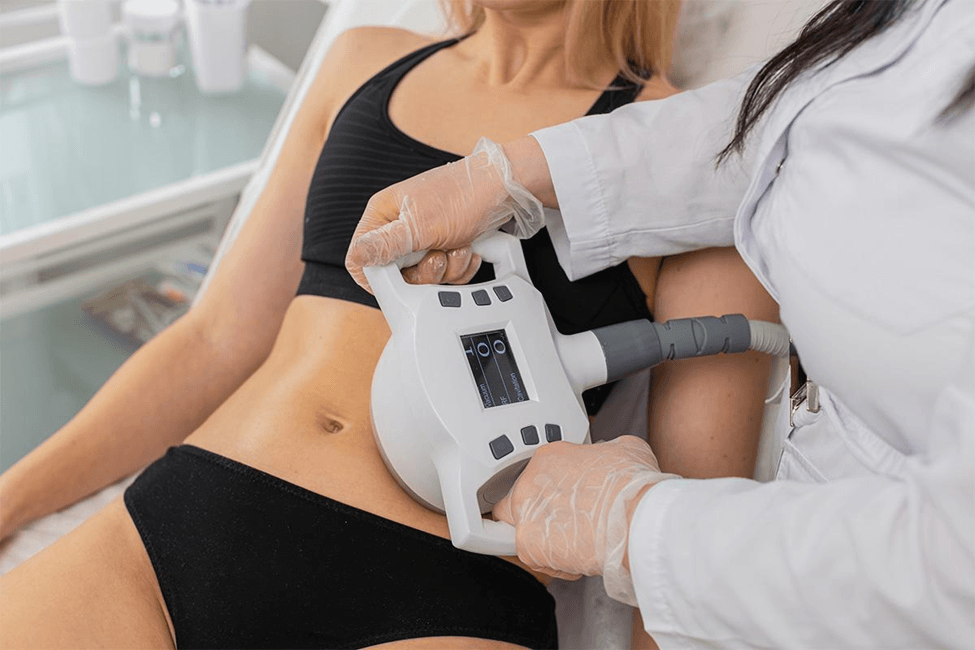
Licensed provider performing non-surgical body contouring treatment on patient’s abdomen.
Cryolipolysis — such as CoolSculpting — uses controlled cooling to potentially affect fat cells, which the body may gradually process over time, though individual response varies. It’s cleared for areas like the abdomen, flanks, thighs, and arms — common concerns after weight loss. The process involves applying an applicator that cools the area, with the lymphatic system naturally clearing affected cells over weeks, potentially contributing to a smoother contour in some patients.
Clinical trials, such as those published in the Journal of Cosmetic Dermatology, report average fat layer reductions of 20 to 25 percent in treated areas after one session in study populations — though individual results vary based on many factors including body composition, treatment area, and the number of sessions completed. Multiple sessions may be needed for noticeable changes, and outcomes in general practice may differ from controlled trial averages.
Important note on risk: Cryolipolysis carries a rare but documented risk of paradoxical adipose hyperplasia — a condition in which treated fat tissue enlarges rather than reduces. While uncommon, this complication may require surgical correction and should be discussed thoroughly with a qualified provider before proceeding with treatment.
High-intensity focused electromagnetic technology — such as Emsculpt or Emsculpt Neo — induces muscle contractions that may help support muscle tone and may contribute to reduced fat appearance in the treated area. This may complement weight loss efforts for areas like the core or buttocks. A single session may simulate a high volume of contractions, potentially supporting muscle engagement in areas like the rectus abdominis.
Studies in Lasers in Surgery and Medicine indicate average muscle mass increases of approximately 16 percent and fat reduction of approximately 19 percent after a complete series in controlled trial populations — though these are averages from specific study conditions. Individual results vary — clinical trial averages may not reflect outcomes in general practice, and responses depend on baseline muscle condition, body composition, and consistency of the treatment protocol
High-intensity focused electromagnetic technology — such as Emsculpt or Emsculpt Neo — induces muscle contractions that may help support muscle tone and may contribute to reduced fat appearance in the treated area. This may complement weight loss efforts for areas like the core or buttocks. A single session may simulate a high volume of contractions, potentially supporting muscle engagement in areas like the rectus abdominis.
Studies in Lasers in Surgery and Medicine indicate average muscle mass increases of approximately 16 percent and fat reduction of approximately 19 percent after a complete series in controlled trial populations — though these are averages from specific study conditions. Individual results vary — clinical trial averages may not reflect outcomes in general practice, and responses depend on baseline muscle condition, body composition, and consistency of the treatment protocol.
Ultrasound-based options or laser lipolysis (e.g., SculpSure) heat fat cells to encourage their breakdown, with some devices also supporting skin firmness. Ultrasound may focus energy deeper, while lasers use wavelengths that may potentially target fat cells. These are minimally invasive and suit areas like the submental region or back.
In our experience, clients who’ve achieved medical weight loss often combine approaches—say, cryolipolysis for residual fat followed by RF for tightening. Some clinical reviews suggest these may contribute to improved contours in suitable candidates.
At [PRACTICE NAME], we often see clients who transition from medical weight loss programs and explore these refinements thoughtfully. Consult with your provider to determine which of these treatments is right for you, considering your full health history.
As with any procedure, potential risks should be reviewed in detail during your consultation to ensure informed choices. These include temporary discomfort, swelling, and skin sensitivity following treatment. Cryolipolysis carries a rare but documented risk of paradoxical adipose hyperplasia — a condition in which treated fat tissue enlarges rather than reduces, potentially requiring surgical correction. RF-based treatments carry a risk of burns or thermal injury in rare cases. A full risk review with a qualified provider is essential before proceeding with any treatment, and individual responses to all body contouring technologies vary.
So what does this mean for you after reaching your weight goals? Non-surgical contouring may help refine your silhouette by addressing specific concerns that linger. Let’s expand on these potential benefits with more context.
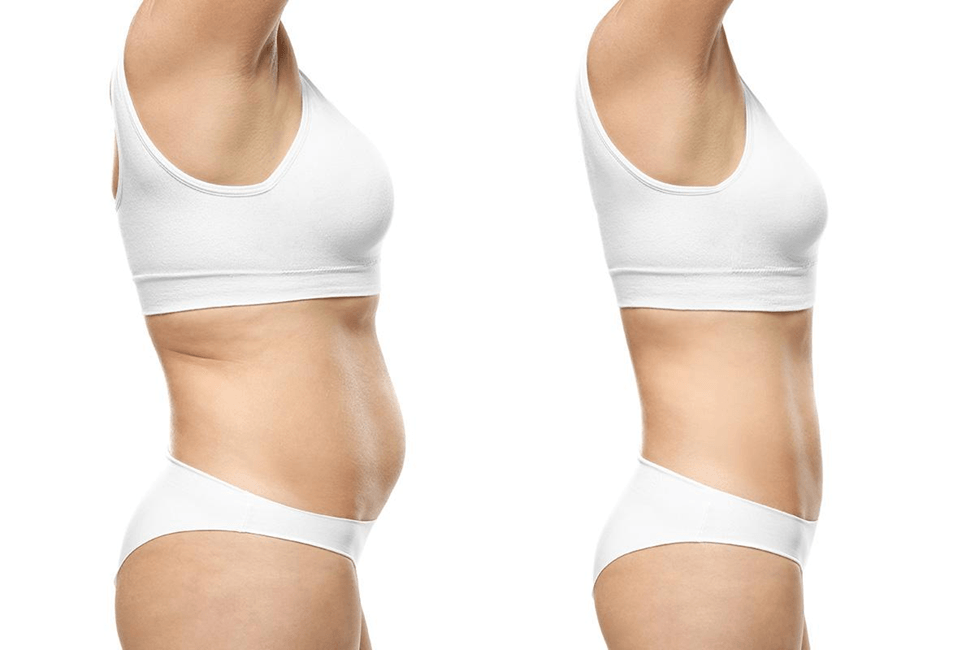
Side-by-side illustration of abdominal changes after significant weight loss showing skin laxity.
[Before & After Client Images Can Be Added Here]
Important Notice: Individual results vary and are not guaranteed.
RF and ultrasound treatments may improve skin appearance by stimulating collagen, potentially leading to firmer-looking areas. For example, someone with mild abdominal laxity might notice a smoother texture over sessions. Collagen remodeling is a gradual process that may develop over several months in some individuals, as the body responds to treatment. In post-weight-loss scenarios, where skin has stretched, this gradual process often aligns well with ongoing lifestyle adjustments.
Targeted Fat Refinement
Cryolipolysis or laser options may help address the appearance of stubborn fat pockets in specific treatment areas. Some patients report that targeted fat refinement may contribute to a more comfortable fit in clothing or a greater sense of confidence in the areas treated — though individual outcomes vary based on many factors including starting body composition, treatment area, and the specific technology used. Clinical data supports targeted reductions in treated zones, but these technologies are intended to address localized fat concerns rather than overall weight management.
HIFEM technologies might improve tone, helping abs or glutes appear more sculpted — especially valuable after fat loss reveals underlying structure. For those incorporating exercise, this may complement gym efforts for some patients.
These approaches may support your transformation by potentially smoothing and toning specific areas of concern. Think of it as a supportive next step — one that may help address specific areas once the foundational work of weight loss is complete. Individual results vary based on many factors such as starting skin condition and consistency with lifestyle. Patience and realistic goals are essential, and a qualified provider is the appropriate person to help you assess which options may align with your specific situation.
Our team at [PRACTICE NAME] in [LOCATION] specializes in tailoring these treatment options to post-weight-loss needs, focusing on realistic expectations. Schedule a consultation at [PRACTICE NAME] to discuss how these might align with your path.
Ready to understand the journey? It starts with a thorough consultation. Providers review your weight loss history, assess skin elasticity and areas of concern, and discuss goals. They’ll explain which technologies might suit you best, perhaps using tools like calipers or imaging for precise planning.
Treatment sessions vary by method. Cryolipolysis cycles last about 35-60 minutes per area, with a cooling sensation that numbs quickly—many relax with music or podcasts. RF may feel like a warming sensation; some patients describe it as comfortable, though individual experiences vary. HIFEM brings intense contractions (like an extreme workout), lasting 30 minutes, with some feeling energized afterward.
Many schedule multiple sessions—spaced weeks apart—for cumulative effects. Downtime is typically minimal; you might experience temporary redness, swelling, or soreness, similar to post-exercise effects. For instance, after RF, skin might feel warm for hours, but most people resume work immediately, though individual results vary.
Changes appear gradually. Fat reduction often shows over 1-3 months as the body metabolizes cells; tightening builds as collagen remodels, sometimes noticeable after 2-4 sessions, however, individual timelines vary significantly and some patients may not see noticeable changes within these timeframes. Follow-ups track progress and adjust plans, ensuring the approach evolves with your response.
Hydration, light movement, and nutrition may support recovery following treatment — your provider can discuss specific aftercare guidance appropriate for your situation. Contact [PRACTICE NAME] to learn more about what sessions involve and to discuss whether these treatments may be appropriate for your specific health history and goals.
Medical weight loss marks a huge milestone—one that reshapes not just your body but often your habits and mindset. Body contouring can be a thoughtful complement, potentially helping smooth contours and boost how you feel in your skin. It’s one potential option for refinement — your provider can help you weigh the evidence alongside your individual health profile.

Woman doing strength training exercises to support muscle tone during weight loss maintenance.
Reflecting on the journey, some individuals find that addressing post-loss changes may reinforce their commitment to wellness. Whether through potentially targeted fat refinement, skin tightening, or muscle enhancement, these options may offer additional refinement for some
individuals. Remember, the foundation is your achievement—contouring is just one tool in a broader toolkit. Schedule a consultation at [PRACTICE NAME] to explore options personalized to you. Providers can guide with authoritative, realistic insights to help navigate this next phase confidently.
A: Rapid or substantial weight loss can outpace your skin’s ability to retract. Skin elasticity depends on factors like age, genetics, duration of excess weight, and how quickly the loss occurs. The collagen and elastin fibers in skin may not contract as quickly as fat cells shrink, sometimes resulting in a looser appearance.
A: Some providers suggest waiting until weight stabilizes for 3-6 months — your provider can advise on appropriate timing based on your specific health history. This timing helps support more durable outcomes, though individual response varies.
A: Some providers may recommend combining approaches—such as cryolipolysis for fat followed by RF for tightening, or adding HIFEM for muscle definition. Combination plans should be carefully customized based on your individual situation, goals, and medical history.
A: Ideal candidates have achieved weight loss goals, maintain stable weight, have mild to moderate concerns, and seek refinement rather than major changes. Candidacy depends on skin condition, overall health, medical history, and realistic expectations about outcomes.
Treated fat cells may be naturally processed and cleared by the body over time, and collagen remodeling may provide improvements that last for an extended period in many individuals — though individual results vary significantly. Maintaining results requires ongoing weight stability and healthy lifestyle habits. Significant weight fluctuations may affect the appearance of treated areas over time. A qualified provider can give you a more specific expectation based on your treatment history and health profile.
A: Body contouring treatments are typically discussed once weight has stabilized, often after completing or during maintenance phases of medical weight loss programs. Your provider will evaluate your complete medical history, including current medications, to determine appropriate timing and treatment options.
Medical Disclaimer: This blog is for informational purposes only and does not constitute medical advice. Individual results may vary. Consult with a qualified healthcare provider to determine if this treatment is appropriate for your specific needs and medical history. All treatments carry potential risks and side effects. The information provided about GLP-1 medication effects on body composition is for educational context only and does not constitute advice regarding GLP-1 medications or their use. Consult your prescribing physician regarding any questions about your medical weight loss program.

Woman with healthy-looking skin touching her chin; skin quality and texture vary by individual.
Achieving significant health milestones with GLP-1 medications—like semaglutide or tirzepatide—is a victory worth celebrating. You feel lighter, more energetic, and your metabolic health markers are likely at an all-time high. However, for many in 2026, this physical success is accompanied by a phenomenon that can be jarring: the “gaunt” or “aged” appearance often called “Ozempic Face.”
When fat is lost rapidly from the face, the natural “scaffolding” that keeps our skin looking plump and youthful is removed. This can lead to hollow temples, sunken cheeks, and sagging skin. In 2026, the solution isn’t just about “filling” the gaps with temporary fixes—it’s about Biostimulators, the cornerstone of the regenerative aesthetics revolution.
At [PRACTICE NAME], we specialize in helping weight-loss patients navigate this transition. We believe you shouldn’t have to choose between a healthy body and a vibrant, recognizable face.
To understand the solution, we have to look at the biology of the problem. Facial fat isn’t just one big layer; it’s partitioned into specific deep and superficial fat pads. These pads aren’t just there for “fullness”; they provide structural support for your skin, ligaments, and even your muscles.
Think of your face like a tent. The fat pads are the tent poles, and your skin is the fabric draped over them. When you lose weight rapidly, those “poles” shrink. If the fabric (your skin) doesn’t have enough natural elasticity to shrink at the same rate, the tent collapses, leading to folds, wrinkles, and a sunken appearance.
GLP-1 medications are incredibly efficient at metabolic fat-burning, but they don’t discriminate between the waistline and the face. Rapid deflation of these fat pads leaves behind an “envelope” of skin that is too large for its new, smaller frame. This results in:
Individual results vary based on many factors, including your age, your skin’s baseline collagen levels, and how quickly the weight came off. This is where biostimulators enter the conversation.
In the past, the go-to answer for volume loss was Hyaluronic Acid (HA) fillers. While HA fillers are still useful for immediate “plumping,” they don’t address the underlying health of the skin. They are essentially a “gel” that takes up space.
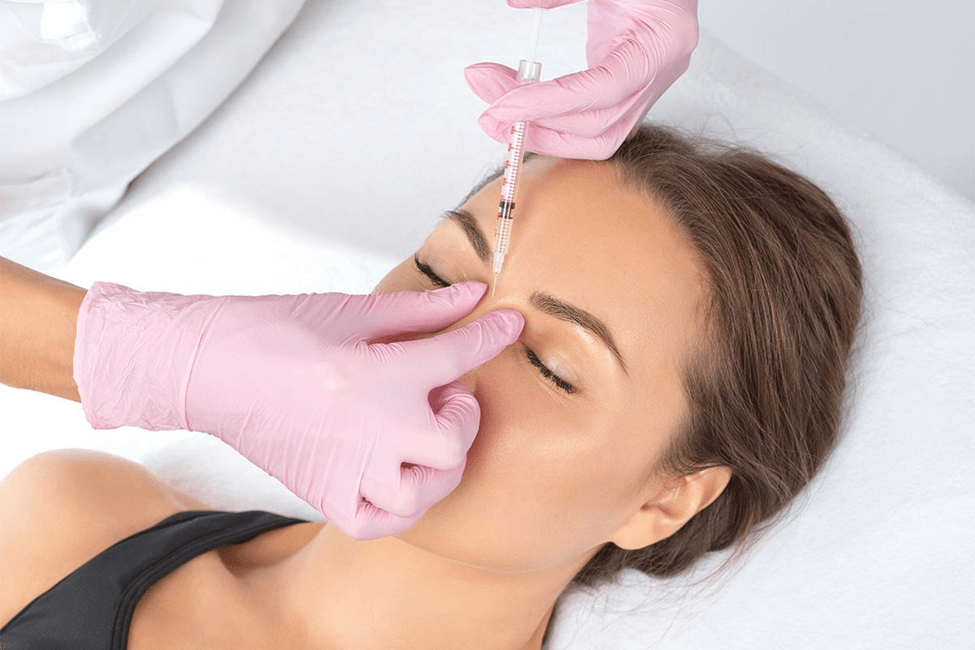
Licensed provider administering a facial injectable treatment in a clinical setting.
Biostimulators are different. Instead of just taking up space, biostimulators like Sculptra (PLLA) and Radiesse (CaHA) act as a signal to your body. They are designed to potentially trigger a localized response that may encourage your fibroblasts to produce new collagen and elastin over time.
As with any injectable treatment, biostimulators carry potential risks and are not appropriate for everyone — see the Contraindications section below and consult [Lead Practitioner’s Name] to learn more.
If we look back at the last decade of aesthetic medicine, the mantra was often “correct and conceal.” For a long time, the industry was focused almost exclusively on the “filling” and “freezing” era. We used neuromodulators like Botox to temporarily stop muscle movement and dermal fillers to physically replace lost volume.
While those tools still have a very important place in our toolkit, the conversation in 2026 has shifted dramatically. This is the dawn of Regenerative Aesthetics, and it represents a meaningful shift in how practitioners approach facial rejuvenation for anyone who wants to look refreshed without looking “done.”
In 2026, clients are more educated than ever. They don’t just want to hide a wrinkle; they want to know why the wrinkle is there and how they can help their body repair the underlying tissue. Regenerative treatments like PDRN (Salmon DNA), Exosomes, or Biostimulators are essentially the “bio-hacking” of the beauty world. Instead of introducing a foreign substance to create an illusion of youth, we’re introducing biological triggers that may help the skin regain its youthful function.
Why is this happening now? Well, as technology has evolved, so has our understanding of cellular health. We now have the tools to influence the skin’s internal environment. While traditional fillers provide an instant result, regenerative treatments offer something perhaps more valuable: Skin Quality. These treatments fit perfectly into this 2026 philosophy because they are designed to be expression-friendly and are not intended to alter your face shape or restrict natural movement the way some other treatments might.
We often call this “Quiet Beauty” at [PRACTICE NAME] in [LOCATION]. For some patients, it’s the kind of gradual change that others may notice without being able to pinpoint — though individual experiences vary. By focusing on regeneration, we are addressing the root causes of skin aging—like collagen depletion—rather than just the symptoms.
One of the biggest advancements in med spas in 2026 is the use of Hyperdilute Radiesse. This is a specialized technique where the biostimulator is diluted with a saline or lidocaine solution.
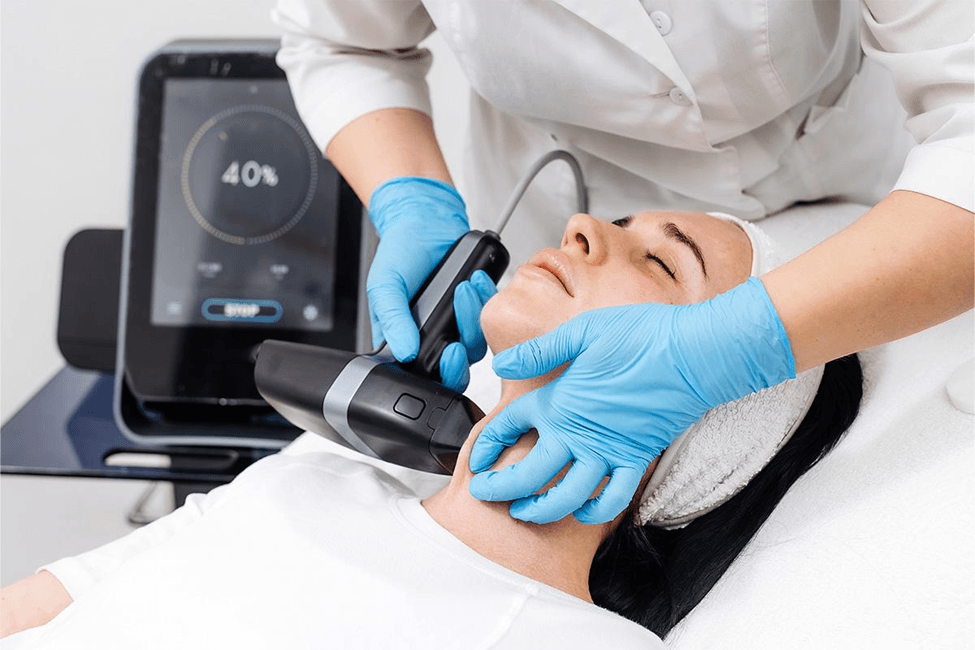
Provider using an energy-based skin device on a patient’s lower face and neck area.
In its hyperdiluted form, the product aims to provide minimal immediate volume but maximum “skin tightening” effect. This may be a well-suited option for some GLP-1 users looking to address the appearance of skin laxity on their neck or lower face without necessarily wanting to add “girth” or “fullness.” It is a subtle, sophisticated way to “shrink-wrap” the skin back onto the frame.
Individual results vary based on many factors, and we always recommend you schedule a consultation with a qualified provider to determine if a hyperdilute protocol is the right move for your specific skin laxity.
One of the questions we get most often at [PRACTICE NAME] is: “When should I start?” If you are currently on a GLP-1 medication, your face is in a state of flux. If we add volume while you are still losing significant weight, the placement might not look as balanced once you hit your goal.
Individual timelines and candidacy vary. Schedule a consultation at [PRACTICE NAME] to determine whether this protocol is appropriate for your specific situation.
“Pillow face” usually happens when too much Hyaluronic Acid filler is used to try to “lift” sagging skin. Because biostimulators rely on your own body’s collagen production, the volume may become more naturally integrated into your own tissues, which may create a firmer feel that moves more naturally with facial expressions in some patients.
We use topical numbing and often mix the biostimulator with lidocaine (a local anesthetic) to ensure the experience is as comfortable as possible. Most patients describe it as a series of small pinches, though individual results vary.
Absolutely. Many GLP-1 users notice “crepey” skin on their arms, thighs, or above the knees. Biostimulators may be used off-face in certain cases to help address the appearance of skin laxity on the body, and results can vary depending on the treatment area and individual factors. Our team at [PRACTICE NAME] in [LOCATION] specializes in these advanced body-contouring techniques.
As with any injectable medical procedure, there are potential side effects, including bruising, swelling, or redness at the injection site. Rare risks include the formation of small bumps (nodules) under the skin, which is why it is vital to choose a provider who is highly trained in the specific injection protocols required for biostimulators.
Biostimulators are not appropriate for everyone, and a thorough medical history review is an essential part of any consultation. You may not be a suitable candidate if you:
This is not a complete list of contraindications. Certain medications, supplements, and medical histories may also affect your candidacy or require special protocols. Only a qualified, licensed provider who reviews your full medical history can determine whether biostimulator treatment is appropriate for you.
We live in a world of instant filters, but biological repair takes time. When you choose a biostimulator, you are investing in the “long game.”
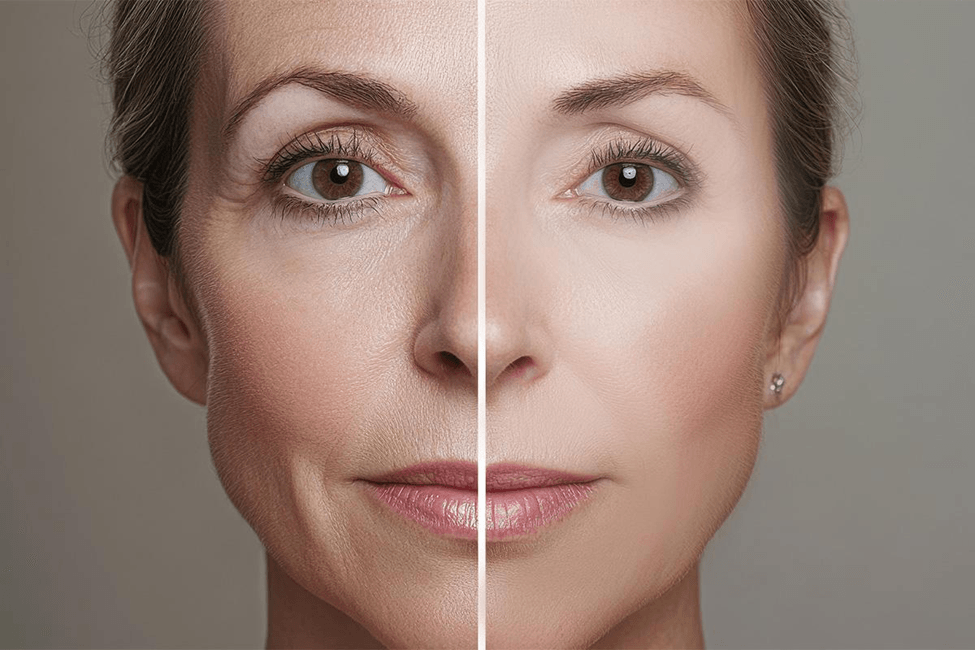
Split-face illustration showing facial volume changes; individual results vary. Not a guarantee of outcomes.
[Before & After Client Images Can Be Added Here]
Important Notice: Results vary and are not guaranteed.
Consult with your provider to determine if this treatment is right for you and to develop a schedule that works for your lifestyle.
Significant weight loss — whether achieved through GLP-1 medications or other means — is a major physiological event. It’s worth acknowledging that the psychological experience of that transition is just as real as the physical one. When the face in the mirror looks unfamiliar due to hollowing or sagging, it can feel disorienting, even after achieving a genuinely meaningful health milestone.

Woman smiling at her reflection, representing confidence during a weight loss journey.
That disconnect is common, and it’s not vanity. Facial recognition — including recognition of your own face — is deeply tied to identity and self-perception. For many patients, addressing volume loss after significant weight loss isn’t primarily about chasing a cosmetic ideal; it’s about feeling continuous with themselves during a period of rapid change.
Biostimulators may be one option worth exploring as part of that process — but they’re not the right fit for every patient or every timeline. The most important first step is a thorough consultation with a qualified, licensed provider who can assess your specific anatomy, review your medical history, and help you understand what’s realistic for your situation. Treatment decisions should always be made collaboratively, with full informed consent and a clear picture of both potential benefits and risks.
If you’d like to explore whether regenerative aesthetics has a role in your post-weight-loss care, our team at [PRACTICE NAME] is available to answer questions and walk you through your options — without pressure and without a one-size-fits-all approach.
Individual results vary. This content is for informational purposes only and does not constitute medical advice. Consult a qualified healthcare provider to determine whether any treatment is appropriate for your specific needs and medical history.
Medical Disclaimer: This blog is for informational purposes only and does not constitute medical advice. Individual results may vary. Consult with a qualified healthcare provider to determine if this treatment is appropriate for your specific needs and medical history. All treatments carry potential risks and side effects.