





Navigating Surgical And Non-Invasive Solutions For Redundant Skin And Tissue Laxity
Woman in athletic wear standing in gym, representing active lifestyle during weight loss maintenance.
You’ve worked hard—perhaps with the help of medical weight loss programs involving GLP-1 medications like semaglutide or tirzepatide—and the scale shows impressive progress.
Congratulations. That’s no small achievement. Yet, as the pounds come off, especially rapidly, many people notice something unexpected: loose or sagging skin in areas like the abdomen, arms, thighs, or even the face. It’s a common experience after significant weight loss, whether from medications, lifestyle changes, or other methods.
Non-surgical body contouring often comes up in conversations as a way to potentially refine contours and address those lingering changes. In this post, we’ll explore the science, realistic options, and considerations for those in this phase.
The information provided about GLP-1 medications in this blog is for educational context only and does not constitute advice regarding these medications or their use. Consult your prescribing physician regarding any questions about your medical weight loss program.
Why Loose Skin and Stubborn Pockets Often Appear After Medical Weight Loss
Rapid or substantial weight loss can outpace your skin’s ability to retract. Skin elasticity depends on factors like age, genetics, duration of excess weight, and how quickly the loss occurs. GLP-1 receptor agonists, which are widely used for weight management, are also known for helping with steady fat reduction, but the skin may not fully adapt, leading to laxity or residual fat in certain spots.

Woman examining loose skin on upper arm in mirror after weight loss journey.
Let’s break this down a bit more. Your skin is composed of layers, including the epidermis, dermis, and subcutaneous tissue. The dermis houses collagen and elastin fibers that give skin its bounce-back quality. When weight is gained over time, these fibers stretch to accommodate the expansion. During rapid loss—common with medical interventions—the fat cells may shrink faster than the fibers are able to contract in some individuals, which can sometimes contribute to a looser appearance. Studies, such as those published in journals like Obesity Surgery, highlight that individuals losing 50 pounds or more may experience this more prominently, especially if over 40, as natural collagen production declines with age.
Individual results vary based on many factors, including how much weight was lost and skin quality beforehand. What many people don’t realize is that contouring isn’t about reversing the weight loss journey; it’s about supporting the next chapter. In fact, maintaining hydration, incorporating strength training, and using topical moisturizers can sometimes aid skin’s natural adaptation during this phase, though these are complementary lifestyle steps, not substitutes for professional evaluation.
Non-Surgical Body Contouring Options Commonly Considered Post-Weight Loss
Providers offer several FDA-cleared technologies for body contouring. These focus on potential fat reduction, skin tightening, or muscle enhancement—often in combination for better synergy. Let’s explore each in more detail to give you a clearer picture of how they work and why they might be discussed after medical weight loss.
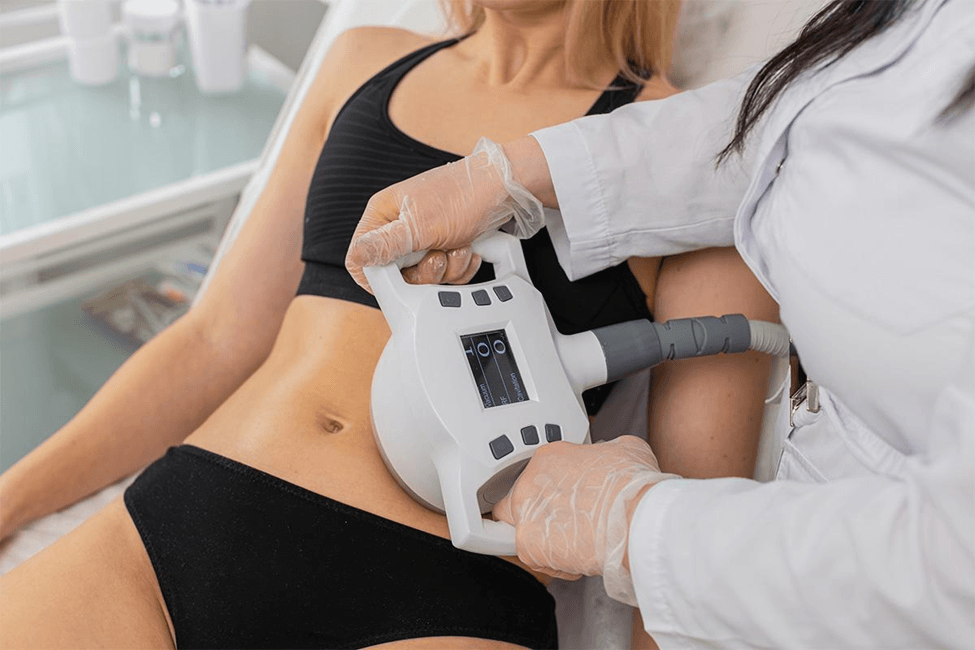
Licensed provider performing non-surgical body contouring treatment on patient’s abdomen.
CoolSculpting
Cryolipolysis — such as CoolSculpting — uses controlled cooling to potentially affect fat cells, which the body may gradually process over time, though individual response varies. It’s cleared for areas like the abdomen, flanks, thighs, and arms — common concerns after weight loss. The process involves applying an applicator that cools the area, with the lymphatic system naturally clearing affected cells over weeks, potentially contributing to a smoother contour in some patients.
Clinical trials, such as those published in the Journal of Cosmetic Dermatology, report average fat layer reductions of 20 to 25 percent in treated areas after one session in study populations — though individual results vary based on many factors including body composition, treatment area, and the number of sessions completed. Multiple sessions may be needed for noticeable changes, and outcomes in general practice may differ from controlled trial averages.
Important note on risk: Cryolipolysis carries a rare but documented risk of paradoxical adipose hyperplasia — a condition in which treated fat tissue enlarges rather than reduces. While uncommon, this complication may require surgical correction and should be discussed thoroughly with a qualified provider before proceeding with treatment.
RF Treatments
High-intensity focused electromagnetic technology — such as Emsculpt or Emsculpt Neo — induces muscle contractions that may help support muscle tone and may contribute to reduced fat appearance in the treated area. This may complement weight loss efforts for areas like the core or buttocks. A single session may simulate a high volume of contractions, potentially supporting muscle engagement in areas like the rectus abdominis.
Studies in Lasers in Surgery and Medicine indicate average muscle mass increases of approximately 16 percent and fat reduction of approximately 19 percent after a complete series in controlled trial populations — though these are averages from specific study conditions. Individual results vary — clinical trial averages may not reflect outcomes in general practice, and responses depend on baseline muscle condition, body composition, and consistency of the treatment protocol
EmSculpt
High-intensity focused electromagnetic technology — such as Emsculpt or Emsculpt Neo — induces muscle contractions that may help support muscle tone and may contribute to reduced fat appearance in the treated area. This may complement weight loss efforts for areas like the core or buttocks. A single session may simulate a high volume of contractions, potentially supporting muscle engagement in areas like the rectus abdominis.
Studies in Lasers in Surgery and Medicine indicate average muscle mass increases of approximately 16 percent and fat reduction of approximately 19 percent after a complete series in controlled trial populations — though these are averages from specific study conditions. Individual results vary — clinical trial averages may not reflect outcomes in general practice, and responses depend on baseline muscle condition, body composition, and consistency of the treatment protocol.
Laser Lipolysis
Ultrasound-based options or laser lipolysis (e.g., SculpSure) heat fat cells to encourage their breakdown, with some devices also supporting skin firmness. Ultrasound may focus energy deeper, while lasers use wavelengths that may potentially target fat cells. These are minimally invasive and suit areas like the submental region or back.
In our experience, clients who’ve achieved medical weight loss often combine approaches—say, cryolipolysis for residual fat followed by RF for tightening. Some clinical reviews suggest these may contribute to improved contours in suitable candidates.
At [PRACTICE NAME], we often see clients who transition from medical weight loss programs and explore these refinements thoughtfully. Consult with your provider to determine which of these treatments is right for you, considering your full health history.
Risks and Considerations
As with any procedure, potential risks should be reviewed in detail during your consultation to ensure informed choices. These include temporary discomfort, swelling, and skin sensitivity following treatment. Cryolipolysis carries a rare but documented risk of paradoxical adipose hyperplasia — a condition in which treated fat tissue enlarges rather than reduces, potentially requiring surgical correction. RF-based treatments carry a risk of burns or thermal injury in rare cases. A full risk review with a qualified provider is essential before proceeding with any treatment, and individual responses to all body contouring technologies vary.
Potential Benefits of Body Contouring in This Context
So what does this mean for you after reaching your weight goals? Non-surgical contouring may help refine your silhouette by addressing specific concerns that linger. Let’s expand on these potential benefits with more context.
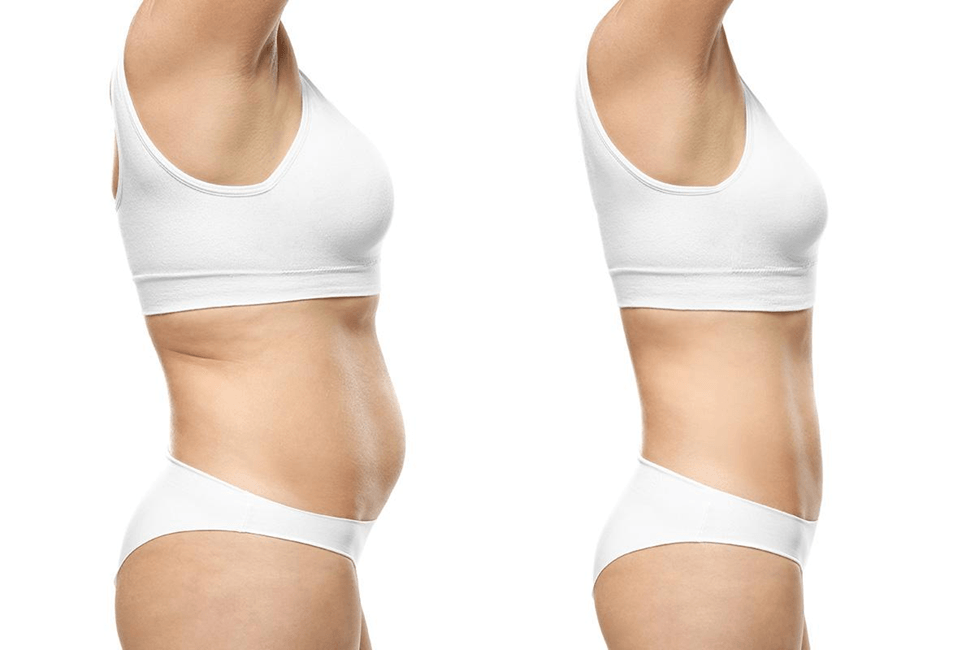
Side-by-side illustration of abdominal changes after significant weight loss showing skin laxity.
[Before & After Client Images Can Be Added Here]
Important Notice: Individual results vary and are not guaranteed.
Smoother Contours and Reduced Laxity
RF and ultrasound treatments may improve skin appearance by stimulating collagen, potentially leading to firmer-looking areas. For example, someone with mild abdominal laxity might notice a smoother texture over sessions. Collagen remodeling is a gradual process that may develop over several months in some individuals, as the body responds to treatment. In post-weight-loss scenarios, where skin has stretched, this gradual process often aligns well with ongoing lifestyle adjustments.
Targeted Fat Refinement
Cryolipolysis or laser options may help address the appearance of stubborn fat pockets in specific treatment areas. Some patients report that targeted fat refinement may contribute to a more comfortable fit in clothing or a greater sense of confidence in the areas treated — though individual outcomes vary based on many factors including starting body composition, treatment area, and the specific technology used. Clinical data supports targeted reductions in treated zones, but these technologies are intended to address localized fat concerns rather than overall weight management.
Enhanced Muscle Definition
HIFEM technologies might improve tone, helping abs or glutes appear more sculpted — especially valuable after fat loss reveals underlying structure. For those incorporating exercise, this may complement gym efforts for some patients.
Overall Confidence and Well-Being
These approaches may support your transformation by potentially smoothing and toning specific areas of concern. Think of it as a supportive next step — one that may help address specific areas once the foundational work of weight loss is complete. Individual results vary based on many factors such as starting skin condition and consistency with lifestyle. Patience and realistic goals are essential, and a qualified provider is the appropriate person to help you assess which options may align with your specific situation.
Our team at [PRACTICE NAME] in [LOCATION] specializes in tailoring these treatment options to post-weight-loss needs, focusing on realistic expectations. Schedule a consultation at [PRACTICE NAME] to discuss how these might align with your path.
What to Expect: The Process Step by Step
Ready to understand the journey? It starts with a thorough consultation. Providers review your weight loss history, assess skin elasticity and areas of concern, and discuss goals. They’ll explain which technologies might suit you best, perhaps using tools like calipers or imaging for precise planning.
Treatment sessions vary by method. Cryolipolysis cycles last about 35-60 minutes per area, with a cooling sensation that numbs quickly—many relax with music or podcasts. RF may feel like a warming sensation; some patients describe it as comfortable, though individual experiences vary. HIFEM brings intense contractions (like an extreme workout), lasting 30 minutes, with some feeling energized afterward.
Many schedule multiple sessions—spaced weeks apart—for cumulative effects. Downtime is typically minimal; you might experience temporary redness, swelling, or soreness, similar to post-exercise effects. For instance, after RF, skin might feel warm for hours, but most people resume work immediately, though individual results vary.
Changes appear gradually. Fat reduction often shows over 1-3 months as the body metabolizes cells; tightening builds as collagen remodels, sometimes noticeable after 2-4 sessions, however, individual timelines vary significantly and some patients may not see noticeable changes within these timeframes. Follow-ups track progress and adjust plans, ensuring the approach evolves with your response.
Hydration, light movement, and nutrition may support recovery following treatment — your provider can discuss specific aftercare guidance appropriate for your situation. Contact [PRACTICE NAME] to learn more about what sessions involve and to discuss whether these treatments may be appropriate for your specific health history and goals.
Final Thoughts: Celebrating Progress and Next Steps
Medical weight loss marks a huge milestone—one that reshapes not just your body but often your habits and mindset. Body contouring can be a thoughtful complement, potentially helping smooth contours and boost how you feel in your skin. It’s one potential option for refinement — your provider can help you weigh the evidence alongside your individual health profile.
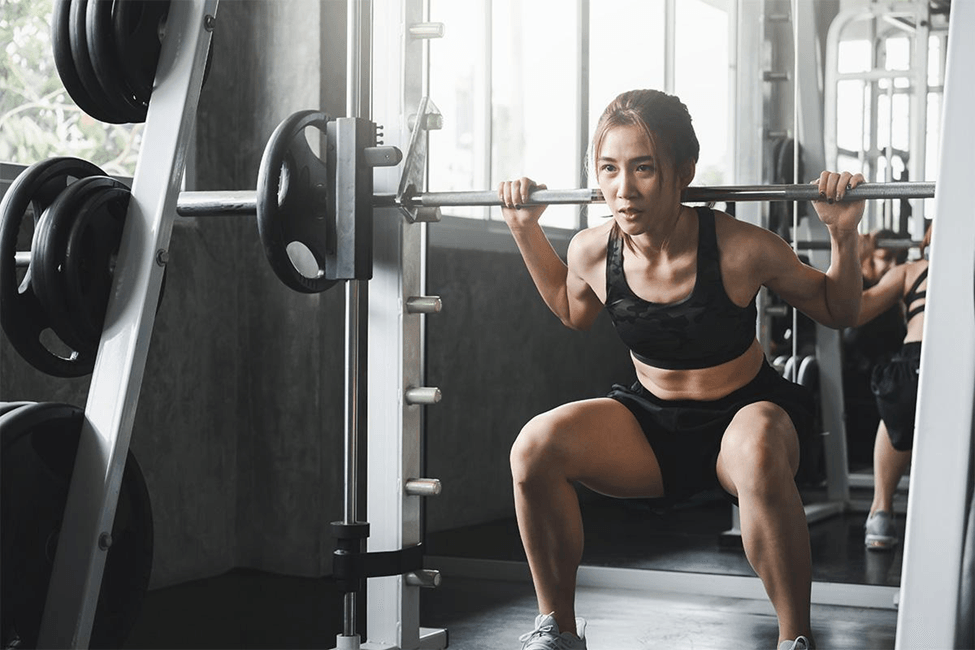
Woman doing strength training exercises to support muscle tone during weight loss maintenance.
Reflecting on the journey, some individuals find that addressing post-loss changes may reinforce their commitment to wellness. Whether through potentially targeted fat refinement, skin tightening, or muscle enhancement, these options may offer additional refinement for some
individuals. Remember, the foundation is your achievement—contouring is just one tool in a broader toolkit. Schedule a consultation at [PRACTICE NAME] to explore options personalized to you. Providers can guide with authoritative, realistic insights to help navigate this next phase confidently.
Frequently Asked Questions About Body Contouring After Medical Weight Loss
Q: Why do I have loose skin after weight loss?
A: Rapid or substantial weight loss can outpace your skin’s ability to retract. Skin elasticity depends on factors like age, genetics, duration of excess weight, and how quickly the loss occurs. The collagen and elastin fibers in skin may not contract as quickly as fat cells shrink, sometimes resulting in a looser appearance.
Q: When should I consider body contouring after weight loss?
A: Some providers suggest waiting until weight stabilizes for 3-6 months — your provider can advise on appropriate timing based on your specific health history. This timing helps support more durable outcomes, though individual response varies.
Q: Can I combine different body contouring treatments?
A: Some providers may recommend combining approaches—such as cryolipolysis for fat followed by RF for tightening, or adding HIFEM for muscle definition. Combination plans should be carefully customized based on your individual situation, goals, and medical history.
Q: Who is a good candidate for body contouring after weight loss?
A: Ideal candidates have achieved weight loss goals, maintain stable weight, have mild to moderate concerns, and seek refinement rather than major changes. Candidacy depends on skin condition, overall health, medical history, and realistic expectations about outcomes.
Q: How Long Do Body Contouring Results Typically Last?
Treated fat cells may be naturally processed and cleared by the body over time, and collagen remodeling may provide improvements that last for an extended period in many individuals — though individual results vary significantly. Maintaining results requires ongoing weight stability and healthy lifestyle habits. Significant weight fluctuations may affect the appearance of treated areas over time. A qualified provider can give you a more specific expectation based on your treatment history and health profile.
Q: How does body contouring work with GLP-1 medications?
A: Body contouring treatments are typically discussed once weight has stabilized, often after completing or during maintenance phases of medical weight loss programs. Your provider will evaluate your complete medical history, including current medications, to determine appropriate timing and treatment options.
Medical Disclaimer: This blog is for informational purposes only and does not constitute medical advice. Individual results may vary. Consult with a qualified healthcare provider to determine if this treatment is appropriate for your specific needs and medical history. All treatments carry potential risks and side effects. The information provided about GLP-1 medication effects on body composition is for educational context only and does not constitute advice regarding GLP-1 medications or their use. Consult your prescribing physician regarding any questions about your medical weight loss program.
Metadata for Website Upload (SEO & Social Sharing)
SEO Title:
Body Contouring After Medical Weight Loss: Options & Considerations | [PRACTICE NAME] Meta Description:
After significant weight loss from medical programs, explore how non-surgical body contouring may help refine contours and address loose skin or stubborn areas.
Open Graph Tags:
og:title: Body Contouring After Medical Weight Loss: What You Need to Know at [PRACTICE NAME]
og:description: Achieved your goals with medical weight loss? Learn how non-surgical options like cryolipolysis, RF tightening, and muscle toning may help smooth contours and enhance your results. Educational overview of timing, technologies, and realistic outcomes. Results vary—schedule a consultation.
og:type: article
og:url: https://[yourwebsite.com]/blog/body-contouring-after-medical-weight-loss og:site_name: [PRACTICE NAME] Medical Spa
og:image: [Insert Hero Image URL]
og:image:alt: Confident individual embracing post-weight-loss progress, representing refined body contours through non-surgical options
Hashtags for Social Media Promotion
#BodyContouring
#AfterWeightLoss
#MedicalWeightLoss
#PostGLP1
#NonSurgicalSculpting
#LooseSkinSolutions
#ContourAfterWeightLoss
#MedSpaWellness
#[PRACTICE NAME]
#[LOCATION]MedSpa
#TransformationJourney