






How Smaller Units and Strategic Placement are Redefining Early Anti-Aging Care
Woman with smooth skin smiling contentedly, representing confidence after aesthetic treatment.
Have you noticed how conversations about neuromodulators have shifted over the past few years? It’s no longer just about softening established wrinkles or addressing lines that have been present for years. Increasingly, people in their late twenties and early thirties are asking about preventative treatments—strategic, minimal interventions designed to potentially delay the formation of deep expression lines before they become etched into the skin.
That’s micro-dosing — sometimes called “baby Botox” or preventative neurotoxin treatment. Rather than using standard doses to significantly reduce muscle movement, this approach works with smaller amounts of products like Botox, Dysport, Xeomin, or Jeuveau to gently soften muscle activity while still allowing natural expression. The thinking behind it is fairly straightforward: by addressing subtle movement patterns early, some individuals may experience a reduction in the intensity of repeated contractions — though outcomes vary and are not guaranteed. That said, how well this works — and whether starting early makes a meaningful difference — varies considerably from person to person, and no outcome is guaranteed.
Let’s explore what micro-dosing actually involves, what the evidence suggests, and how to think through whether this approach aligns with your goals.
Understanding Micro-Dosing: What Makes It Different
Traditional neuromodulator treatments typically use standard doses designed to potentially reduce muscle movement in treated areas. For forehead lines, that might be 20 units of Botox (or equivalent doses of other neuromodulators). For frown lines between the brows, perhaps 20-25 units. These doses are based on clinical studies and aim to create noticeable smoothening of expression lines.

Licensed provider administering a facial neurotoxin injection to a client in a clinical setting.
Micro-dosing, by contrast, uses smaller amounts—sometimes 30-50% less than traditional doses—strategically placed to soften rather than fully relax muscles. The goal isn’t to eliminate all movement or create that “frozen” look some people worry about. Instead, it aims to reduce the intensity of muscle contractions that contribute to line formation over time.
At [PRACTICE NAME], we often see younger clients curious about preventative treatments but uncertain about how much is appropriate or whether they’re “too young” to start. There’s no universal right answer—it depends entirely on your individual circumstances, concerns, and what you’re hoping to achieve.
The Preventive Philosophy: Does Early Intervention Make Sense?
So what’s the thinking behind starting neuromodulator treatments before significant lines have formed? Let’s look at the logic and what current evidence suggests.
The Theoretical Foundation
Dynamic wrinkles—those that appear with facial expressions like frowning, squinting, or raising your eyebrows—form because of repeated muscle contractions. Over time, these repeated movements can cause the overlying skin to develop permanent creases, even when your face is at rest. These are called static wrinkles.

Woman frowning, visibly showing dynamic forehead and brow muscle movement that may contribute to line formation over time.
The preventive theory suggests that by reducing the intensity of these muscle contractions early, you might be able to slow their development.
What Research Suggests
Some studies have looked at whether early, consistent neuromodulator use affects long-term wrinkle development. Some small studies suggest individuals who begin treatment before deep lines form may develop less pronounced static wrinkles over time, though these findings are preliminary and results vary significantly by individual. However, these studies typically involve small sample sizes, short follow-up periods, or methodological limitations.
Individual results vary based on many factors, and we need more long-term, well-designed studies to fully understand the preventive benefits of early neuromodulator use.
The Age Question
There’s no magic age when preventive treatments become appropriate. Some people develop noticeable expression lines in their mid-twenties due to genetics, expressive faces, or sun exposure. Others don’t see significant lines until their forties or beyond.
Our team at [PRACTICE NAME] in [LOCATION] approaches preventive treatments conservatively, starting with minimal doses and adjusting based on your response and goals rather than following one-size-fits-all protocols.
Individual results may vary.
If you’re unsure whether you’re at a stage where preventive treatment makes sense, a consultation with a qualified provider at [PRACTICE NAME] is the best way to get guidance tailored to your specific facial anatomy, skin type, and long-term goals.
What to Expect: The Micro-Dosing Experience
Wondering what actually happens during a micro-dosing session? Let’s walk through the process so you know what you’re signing up for.
Initial Consultation
Your provider will start with examining your facial anatomy, watching how your muscles move during different expressions, discussing which areas concern you, and reviewing your medical history. Not everyone is a suitable candidate—certain medical conditions, medications, or circumstances may mean neuromodulators aren’t appropriate right now. Consult with your provider to determine if this treatment is right for you based on your individual circumstances.
For younger clients considering preventative treatments, this consultation is especially important. Your provider should help you identify whether you actually have dynamic lines forming and whether starting treatment now makes sense given your specific situation.
Treatment Day
The actual injection process is quite quick—typically 10-15 minutes for facial areas. Most providers don’t use numbing for neuromodulator injections since the needles are very fine and discomfort is generally minimal. You’ll feel small pinches as the product is injected into specific muscles.
With micro-dosing, your provider will use smaller amounts than traditional protocols, carefully placed in the muscles that contribute the most to line formation. Individual results may vary.
Immediately After
You might have small bumps at injection sites that resolve within minutes to an hour. Some people develop minor bruising, though this is less common with experienced injectors. You can typically return to normal activities immediately, though most providers recommend avoiding lying down for a few hours, skipping intense exercise for the rest of the day, and not rubbing the treated areas.
Results Timeline
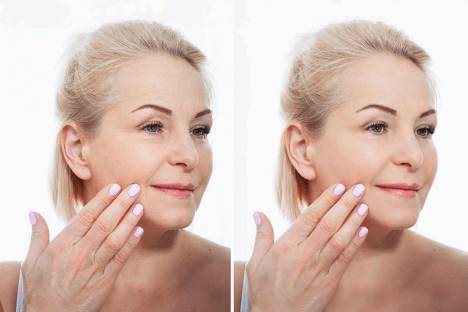
Side-by-side photos of a woman’s face showing skin appearance before and after cosmetic treatment.
[Before & After Client Images Can Be Added Here]
Important Notice: Results may vary and are not guaranteed.
Neuromodulators don’t work instantly. You’ll typically start noticing effects within 3-5 days, with full results apparent by 10-14 days. With micro-dosing, the changes are often quite subtle—you might notice you can still move the treated muscles, but the movements feel slightly less intense, or the lines that appear with expression seem softer.
Results from micro-dosing may last a similar duration to standard dosing (3-4 months typically), though some people find that smaller doses wear off slightly sooner. Individual results vary based on many factors, including your metabolism, muscle mass, and activity patterns.
Schedule a consultation at [PRACTICE NAME]to discuss what the micro-dosing process would look like for your specific situation and to address any concerns you might have.
Potential Benefits: What Micro-Dosing May Help With
Let’s discuss what preventive micro-dosing may potentially offer, keeping expectations realistic and grounded. Remember, these are possible benefits—not guaranteed outcomes. Results vary based on many factors.

Young woman examining her skin in a mirror, considering early preventive skincare options.
May Help Slow the Development of Static Lines
By potentially reducing the intensity of repeated muscle contractions, micro-dosing may, in some individuals, help soften the appearance of dynamic lines — though whether this delays static line formation over time is not guaranteed and varies significantly by individual. This is the primary theoretical benefit driving preventive use.
Can Provide Subtle Softening Without Frozen Appearance
Smaller doses typically allow for more natural movement and expression while still potentially softening the appearance of lines that form with facial movements. Many younger clients appreciate maintaining animation while addressing early concerns.
Often Allows for Gradual Introduction to Treatment
Starting with conservative doses lets you experience how neuromodulators feel, how your face responds, and whether you’re comfortable with the subtle changes before committing to more intensive treatments. You can always increase amounts in future sessions if desired.
May Potentially Reduce Long-Term Treatment Needs — Though This Is Not Guaranteed
The preventive theory suggests that by addressing muscle patterns early, you might potentially need less intensive intervention later. However, this remains theoretical and would require decades of consistent treatment and comparison data to truly validate.
Can Be Adjusted Based on Response
Micro-dosing protocols can be refined over multiple sessions, gradually identifying the minimal effective dose for your specific anatomy and goals. This personalized approach may help optimize outcomes while using the least amount of product necessary.
It’s crucial to understand that individual results vary significantly, and starting younger doesn’t guarantee you’ll age more slowly than someone who starts later or never uses neuromodulators. All treatments carry potential risks and side effects.
Important Considerations: Is Micro-Dosing Right for You?
No discussion of preventive treatments would be complete without addressing important considerations and potential downsides.
The Cost-Benefit Analysis
If you start preventative treatments at 28 and continue for decades, you’re looking at treatments every 3-4 months for potentially 30+ years. Even with smaller doses potentially costing less per session, that’s a significant long-term investment. Whether preventing lines that might develop anyway justifies this cost is a personal decision that only you can make.
The Unknown Long-Term Picture
We don’t have decades of data on people who started consistent neuromodulator treatments in their twenties or early thirties. While short-term safety is well-established, questions about extremely long-term effects of starting early and continuing indefinitely remain partially unanswered.
Starting Too Early
Some providers worry about normalizing aesthetic interventions for people in their early-to-mid twenties who may not have any actual concerns yet. There must be a balance between thoughtful prevention and creating anxiety about natural facial movement and expression.
Common Temporary Side Effects
Even with smaller doses, typical side effects such as temporary bruising, mild headache, and slight asymmetry may occur as the product takes effect unevenly. Patients may also notice eyelid or brow drooping if the product migrates (rare but more common with inexperienced injectors).
In rare cases, more serious side effects such as difficulty swallowing, speaking, or breathing have been reported following neurotoxin injections — typically when the product spreads beyond the injection site. These events are uncommon at the doses used for facial aesthetics but are important to be aware of. Contact your provider or seek medical attention immediately if you experience any unusual symptoms after treatment.
Who Should Avoid or Delay Treatment
You should not have neuromodulator treatments if you’re pregnant or nursing, have certain neuromuscular disorders, are allergic to any ingredients, have active infections at injection sites, or are taking specific medications that interact with neuromodulators.
At [PRACTICE NAME], we believe in honest conversations about whether starting preventative treatments makes sense for your individual situation, or whether excellent skincare, sun protection, and lifestyle habits might be more appropriate focuses at this stage of your life.
All treatments carry potential risks, and thorough consultation ensures you understand these in the context of your specific health history and goals.
Frequently Asked Questions
Q: What’s the “right” age to start preventive neuromodulators?
A: There’s no universal right age—it depends on your individual genetics, facial movement patterns, sun exposure history, and when you start noticing dynamic lines that concern you. Some people have significant expression lines in their twenties; others don’t see them until much later. The question isn’t “how old am I?” but rather “am I seeing changes I want to address proactively?”
Q: Will starting young mean I need treatments forever?
A: Neuromodulators don’t create dependency in a physiological sense—your muscles won’t become “weaker” or “need” the treatment. However, if you stop after years of consistent use, lines may develop over time as they would have without treatment (possibly less deeply if prevention worked, but this isn’t guaranteed). Whether to continue indefinitely is always your choice.
Q: How much do micro-dosing treatments typically cost?
A: Costs vary based on geographic location, provider experience, and the specific amounts used. Because micro-dosing uses less product, per-session costs might be lower than
traditional treatments. You can contact our team at [PRACTICE NAME] for a personalized quote.
Q: Can I still have natural facial expressions with micro-dosing?
A: That’s the goal. Micro-dosing aims to soften muscle contractions while preserving natural movement and expression. You should still be able to raise your eyebrows, frown, and show emotion—just with slightly less intense muscle activity. If you feel “frozen,” the dose may be too high for a preventive approach.
Q: Is micro-dosing safer than standard dosing?
A: Using less product generally means less chance of unwanted effects like brow droop or excessive paralysis. However, “safer” doesn’t mean “risk-free”—all neuromodulator treatments carry potential side effects regardless of dose. The safety profile of the products themselves doesn’t change with dose size; you’re just using less of a well-studied product.
Contact [PRACTICE NAME] to learn more about our approach to preventive treatments and to schedule a consultation. We’re committed to honest, pressure-free conversations prioritizing your wellbeing.
Remember: individual results vary based on many factors, and what works for someone else might not be right for you. The right choice is whatever aligns with your aesthetic goals and comfort level.
Medical Disclaimer: This blog is for informational purposes only and does not constitute medical advice. Individual results may vary. Consult with a qualified healthcare provider to determine if this treatment is appropriate for your specific needs and medical history. All treatments carry potential risks and side effects.
Metadata for Website Upload (SEO & Social Sharing)
SEO Title:
Micro-Dosing Neurotoxins: Preventative Botox for Younger Clients | [PRACTICE NAME]
Meta Description:
Learn about micro-dosing neuromodulators—the preventative approach using smaller Botox doses for younger clients. Educational guide covering benefits, considerations, realistic expectations, and whether starting early makes sense. Individual results vary—schedule a consultation.
Meta Keywords (optional):
Micro-dosing Botox, baby Botox, preventative neuromodulators, Botox for prevention, early Botox, preventative injections, [LOCATION] preventative Botox, micro Botox, subtle neuromodulators, preventative aesthetics
Open Graph Tags:
- og:title: Micro-Dosing Neurotoxins: The Preventative Approach for Younger Clients at [PRACTICE NAME]
- og:description: Explore micro-dosing neuromodulators—using smaller doses preventatively to potentially delay wrinkle formation. Comprehensive guide covering the preventative philosophy, treatment experience, cost considerations, and making informed decisions about early intervention. Results vary—schedule a consultation.
- og:type: article
- og:url: https://[yourwebsite.com]/blog/micro-dosing-neurotoxins-preventative-approach-younger clients
- og:site_name: [PRACTICE NAME] Medical Spa
- og:image: [Insert Hero Image URL – professional image showing subtle, natural neuromodulator results or consultation with younger client]
- og:image:alt: Micro-dosing neurotoxin consultation for preventative treatment
Hashtags for Social Media Promotion:
#MicroDosing #BabyBotox #PreventativeBotox #Neuromodulators #EarlyPrevention #SubtleAesthetics #NaturalResults #[PRACTICE NAME] #[LOCATION]MedSpa #PreventativeAging #MinimalIntervention