



The Attention Economics Explanation Every Med Spa Owner Needs to Read Before Sending Another Recovery Text
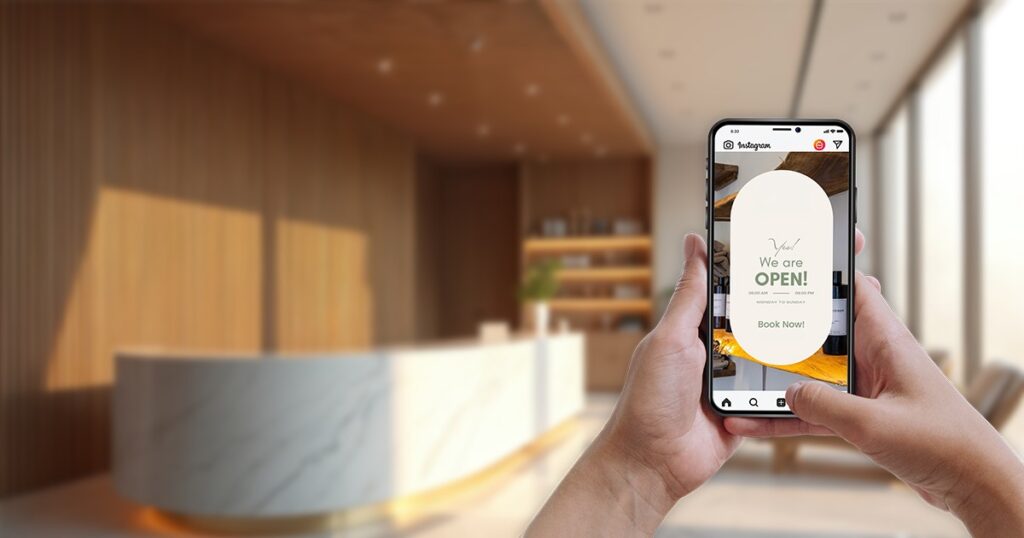
At 10:47 AM on a Tuesday, a med spa owner in Austin discovers why Instagram Stories fill open slots faster than SMS or email ever could. She posts a single Story. One opening. This afternoon. Tap to book.
By 11:09 AM, the slot is filled.
Twenty-two minutes. No phone calls. No email blast. No manual waitlist scramble. Just a single Story slide — branded, compliant, and connected directly to her booking system — reaching the exact audience most likely to say yes while they were already scrolling.
This isn’t a lucky anecdote. It’s a pattern playing out across aesthetic practices nationwide — and the data behind it is hard to argue with. In 2026, Instagram Stories are filling open appointment slots eight times faster than SMS or email. Not marginally faster. Not slightly better under certain conditions. Eight times.
The question isn’t whether Stories work for last-minute cancellation recovery. The data settled that. The question is why — and why so many practices are still defaulting to channels that convert at a fraction of the rate.
Here’s the full picture.
Why Don’t SMS and Email Work for Same-Day Cancellation Recovery?
Let’s start with the mechanics of failure — because understanding why traditional outreach underperforms for same-day recovery is the foundation for understanding why Instagram Stories dominate.
When a cancellation hits in early hours, the practice has a window of roughly two to four hours to fill that slot before it becomes unrecoverable lost revenue. Within that window, the outreach channel used determines almost everything about the outcome.
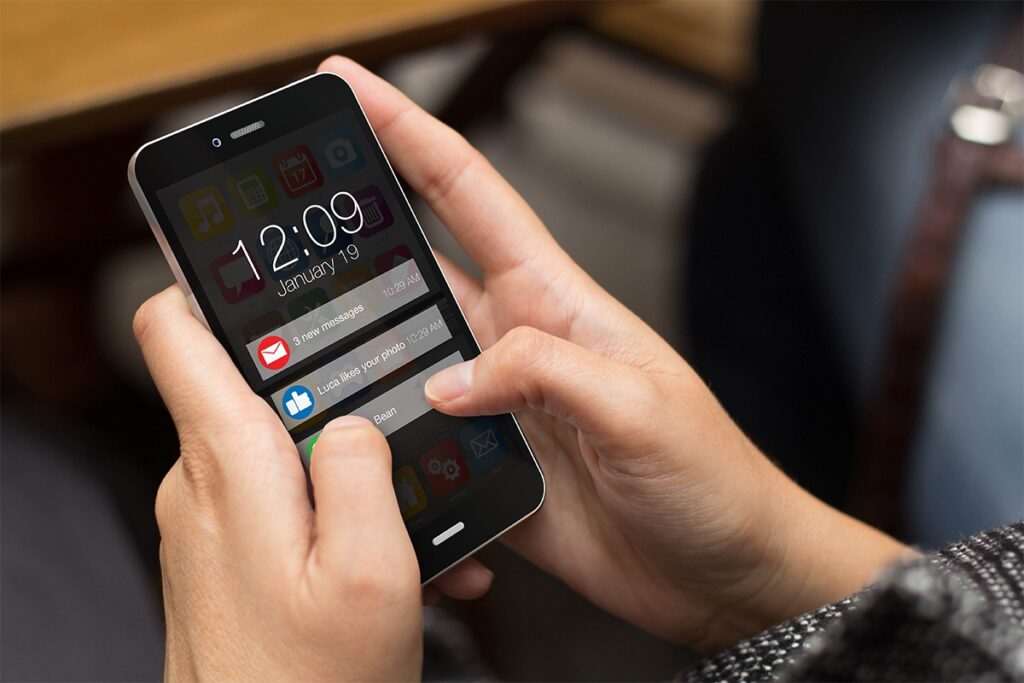
Think about what actually happens when a same-day recovery text lands on a client’s phone. It arrives without context, without visual appeal, and alongside every other notification competing for attention at that moment. Most clients have learned — almost unconsciously — to filter promotional texts before they’ve even finished reading them. Of the ones who do open it, only a handful are free that afternoon, interested in the specific treatment, and motivated enough to complete a booking before the window closes.
Email follows a similar pattern — and for same-day recovery it’s often even less effective. Clients check email on their own schedule, not yours. A message sent at 10 AM might not get opened until mid-afternoon, long after the slot has moved on.
The result isn’t surprising. It’s just the nature of these channels. They were built for scheduled campaigns and planned outreach — not for the kind of immediate, time-sensitive response that same-day cancellation recovery actually demands. Using them for this job isn’t a failure of effort. It’s simply the wrong tool for the moment.
Is There a Better Channel Than SMS for Filling Last-Minute Appointment Slots?
Yes — and the performance data in 2026 points unambiguously to Instagram Stories as the highest-converting channel for same-day cancellation recovery in the aesthetic industry. The reasons are structural, behavioral, and algorithmic — and they compound each other in ways that no other single channel currently replicates.
How Do Instagram Stories Work Differently From SMS for Med Spa Marketing?
The performance gap between Stories and SMS isn’t just about engagement rates. It’s about four fundamentally different dynamics that make Stories structurally better suited for time-sensitive recovery outreach.
Dynamic 1: Full-Screen Immersion vs. Notification Noise
Instagram Stories occupy the entire phone screen. There is no competing content, no adjacent notification, no feed post fighting for attention in the same visual field. When a client taps into Stories, the content they encounter commands complete visual attention for the duration of the slide.
A text notification, by contrast, competes with every other notification on the client’s lock screen — other texts, emails, app alerts, news updates. In an attention environment where the average person receives dozens of notifications per hour, a promotional SMS has to fight for relevance against everything else demanding the same real estate.
Full-screen immersion isn’t a cosmetic advantage. It’s a conversion advantage — because attention is the precondition for action, and Stories generate more of it per impression than any notification-based channel.
Dynamic 2: The 24-Hour Disappearing Mechanic Creates Genuine Urgency
Here’s the behavioral psychology that makes Stories uniquely powerful for cancellation recovery specifically: the format’s built-in 24-hour disappearing mechanic creates authentic scarcity in a way that no other channel replicates.
“Limited availability — tap to book” in an email feels like marketing language. The same message in a Story that disappears in 24 hours — or in two hours, because it’s a same-day slot — feels like a genuine time constraint. Clients who see it know, behaviorally, that the opportunity is fleeting. That knowledge drives immediate action in a way that an inbox message sitting available indefinitely simply doesn’t.
For same-day cancellation recovery, this mechanic is almost perfectly aligned with the actual urgency of the situation. The slot is genuinely limited. The window is genuinely short. Stories communicate that reality through format, not just language.
Dynamic 3: Visual Brand Quality Drives Trust and Conversion
Med spa clients make purchasing decisions based significantly on perceived quality and trust. A well-branded, visually polished Story — using the practice’s colors, typography, and aesthetic — communicates the same premium positioning as the practice’s physical environment. It reinforces the brand relationship that makes a client confident booking a same-day appointment without an extended decision process.
A text message is text. It carries no visual brand signal. It cannot communicate premium positioning, clinical credibility, or the aesthetic sensibility that med spa clients are specifically drawn to. In an industry where brand perception directly influences treatment prices and client retention, that difference in visual quality translates directly into conversion rate difference.
Dynamic 4: Algorithmic Amplification Beyond the Existing Client Base
SMS and email reach only the contacts already in the practice database. Stories reach followers — and through Instagram’s algorithmic distribution, Stories from accounts with strong engagement can reach beyond the existing follower base into the broader local audience of potential clients.
For cancellation recovery, this means a well-performing Story doesn’t just recover one slot. It can generate new client inquiries, follower growth, and brand visibility as a byproduct of the recovery outreach. No SMS campaign produces that secondary return.
What Fill Rates Can Med Spas Actually Expect From Instagram Stories?
The fill rate data emerging from practices using Story-based cancellation recovery in 2026 consistently clusters in the 35 to 50 percent range for same-day openings — compared to the 4 to 5 percent average for manual SMS and email outreach.

That performance gap — roughly eight to ten times the conversion rate of traditional channels — is what produces the headline claim that Instagram Stories fill open slots faster than SMS or email by a factor of eight. It’s not a marketing approximation. It’s the arithmetic result of comparing 35 to 50 percent against 4 to 5 percent.
Does the Type of Treatment Affect Story Fill Rates?
Yes — and the pattern is consistent with general consumer decision-making psychology. Shorter, lower-commitment treatments — HydraFacials, injectables, chemical peels, laser hair removal sessions — tend to produce higher same-day fill rates through Stories because the decision threshold for booking is lower.
Higher-investment treatments — CO2 laser, body contouring, extended treatment series — may produce slightly lower same-day fill rates but still significantly outperform SMS and email outreach for the same treatment type. The relative advantage of Stories holds across treatment categories even as absolute fill rates vary.
Why Are Most Med Spas Still Using SMS and Email for Cancellation Recovery?
If the performance gap is this significant, why haven’t more practices made the switch?
The honest answer is execution friction — and it’s a legitimate barrier, not just a reluctance to change.
What Makes Instagram Stories Difficult to Use for Same-Day Recovery?
Creating a properly branded, visually polished Story under same-day time pressure is genuinely hard for most practice teams. The process requires design capability, brand asset access, platform fluency, and available time — none of which are reliably present at 10 AM when cancellations are stacking up and the front desk is managing a full morning schedule.
Add the compliance layer — every Story referencing a treatment or outcome needs to meet FDA and FTC standards for aesthetic marketing claims — and the execution barrier becomes significant. Manually crafting compliant captions under time pressure, consistently, across every cancellation, is operationally unrealistic for most practices without dedicated social media support.
For a deeper look at what compliance requires specifically, check out our resource here.
This is why the performance gap between Stories and SMS exists in practice data but hasn’t fully translated into universal adoption. The channel works. The execution barrier is what holds most practices back.
How Can Med Spas Automate Instagram Stories for Cancellation Recovery?
The systematic approach that’s producing 35 to 50 percent fill rates removes the execution barrier entirely — connecting the booking system directly to Story generation so that recovery content appears on the practice owner’s phone within seconds of a cancellation, without any manual work.
What Does an Automated Cancellation Recovery System Actually Do?
The core components of an effective automated system in 2026:
Instant booking system integration. The system connects directly to Mindbody, Square, Vagaro, or equivalent — detecting cancellations the moment they register without manual monitoring or front desk involvement.
Automatic Story generation. Within 60 seconds of cancellation detection, two professionally branded Story slides are generated — specific to the treatment, specific to the time slot, formatted for Instagram, TikTok, and Facebook Stories — and delivered directly to the practice owner’s phone and email.
Compliance built into every caption. Every caption is professionally written and FDA/FTC compliant by design. No improvised language. No regulatory risk from time-pressured manual posting. No liability exposure from well-intentioned but non-compliant claims.
Direct booking link integration. The Story connects directly to real-time availability in the booking system — one tap from the Story to a confirmed appointment, with no friction between client interest and completed booking.
This is the operational infrastructure that makes Instagram Stories fill open slots faster than SMS at 35 to 50 percent fill rates — not occasionally, when timing works out, but every single time a cancellation occurs.
SpotFill: Built to Close the Gap Between Cancellation and Recovery
SpotFill was built around a single operational reality that the performance data makes clear: the channel advantage of Instagram Stories is real, the execution barrier is real, and closing the gap between them is worth more to a mid-sized aesthetic practice than almost any other operational investment available in 2026.
When a cancellation registers in a connected booking system — Mindbody, Square, or Vagaro — SpotFill automatically generates two professionally branded Story slides optimized for Instagram, TikTok, and Facebook, and delivers them to the practice owner’s phone and email within 60 seconds. Every caption is FDA/FTC compliant. Zero design work. Zero manual effort. Complete brand consistency on every recovery post.
The result: practices using SpotFill are achieving 35 to 50 percent fill rates on last-minute cancellations — converting revenue that was previously being absorbed as the unavoidable operational cost of running an appointment-based business.
Is SpotFill Worth It for a Busy Med Spa Owner?

The math is straightforward. A practice losing $6,000 per month to unfilled cancellations — a conservative mid-range estimate — and recovering 40 percent of those slots through Story-based outreach is recovering $2,400 in monthly revenue per recovered slot value. Annually, that’s a meaningful return against any reasonable SaaS investment.
But the more significant value isn’t just the recovered revenue. It’s the operational time returned to a practice owner who was previously managing cancellation recovery manually — and the brand consistency delivered by professionally designed, compliance-built content that represents the practice correctly every time a slot opens.
Is Instagram Stories the Future of Med Spa Cancellation Recovery?
The data in 2026 doesn’t frame this as a future question. It’s a present reality.
Instagram Stories fill open slots eight times faster than SMS or email because of four structural advantages — full-screen immersion, authentic urgency mechanics, visual brand communication, and algorithmic amplification — that no notification-based channel can replicate. The fill rate data confirms the theory. The practices using Stories for recovery are recovering revenue at rates that traditional outreach simply cannot match.
The execution barrier that has prevented broader adoption is solvable. The compliance barrier is solvable. The design barrier is solvable. SpotFill solves all three — in 60 seconds, automatically, every time a cancellation hits.
The only remaining question is the one the data has already answered: if Stories fill open slots eight times faster than SMS, what are you waiting for? Try SpotFill now.
Medical Disclaimer: This blog is for informational purposes only and does not constitute medical, legal, or regulatory advice. Statistics referenced reflect industry estimates and may vary by practice type, size, and location. FDA/FTC compliance requirements vary by jurisdiction — consult a qualified healthcare attorney regarding your specific marketing obligations.